
9 tips for moving houseplants outdoors for the summer without killing them
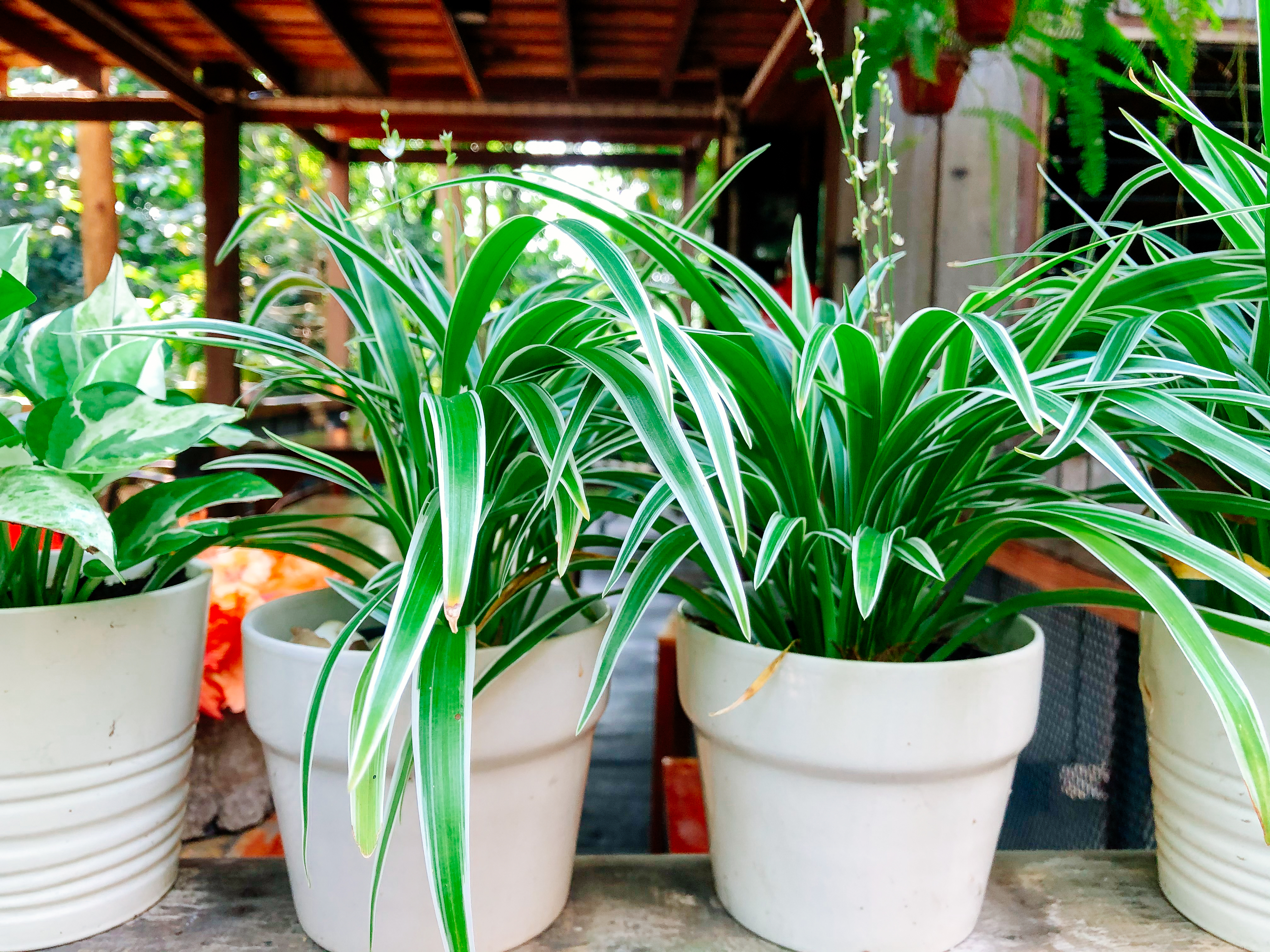
To improve the growth and health of your indoor plants, try moving them outdoors for the summer. Exposing your favorite houseplants to natural light, increased humidity, and fresh air can give them a boost. Plus, it’s easy to do once you know how to acclimate them to the outdoors.
1. Wait for the right temperature.
Although exposing your houseplants to the outdoors at the first sign of spring might be tempting, it’s best to wait for nighttime temperatures to stay at or above 60 F. Additionally, to protect your plants from an unexpected cold snap, you should wait a month after your area’s last frost date before putting houseplants outside for the summer.
2. Use containers with drainage holes.
Before you put a houseplant outside, confirm it is planted in a sturdy houseplant container with drainage holes. Water should fully drain from the pot so that your plant does not drown in a downpour.
3. Acclimate the plants gradually.
It’s necessary to gradually acclimate houseplants to the higher light levels and outdoor conditions to avoid shock and sun scorch. Start the process by placing the plants in a shady area outdoors for a few hours a day over one to two weeks, gradually increasing their time outside as they adjust to the outdoor heat, light, and air.
4. Plan for windy conditions.
Wind can damage a houseplant if it knocks the plant over, quickly dries out its soil, or rips or snaps leaves and stems. Placing your houseplant in a heavy pot can prevent the wind from toppling it. If strong winds are predicted in your area, bring in houseplants with larger leaves to avoid damage.
5. Place in partial shade.
It’s best to put your houseplant in partial shade for most of the day because it likely is not used to being exposed to long periods of direct sun. Even houseplants like succulents and cacti can suffer sunburn if you place them outdoors directly in the sun.
6. Avoid roof runoff areas.
Plants can be damaged if they are positioned under an area with roof runoff when it rains. Succulents, in particular, need to be placed in a protected area covered by an overhang so they don’t receive too much water from a storm.
7. Water every day.
Houseplants dry out faster outdoors due to the intense levels of heat and more air circulation. Make sure to regularly check the dryness of the soil. Whether you rely on the rain or use a hose to water your plants, plan on watering your houseplants daily to ensure they have enough moisture to survive the stress of a warm day.
8. Monitor for bugs.
Any houseplant moved outdoors is a potential target for pests. Check on your plants every day to make sure bugs haven’t moved in; catching an infestation early is much easier to deal with than after it has become out of control.
9. Move indoors before temps drop in fall
Most houseplants will likely be permanently damaged if exposed to 50 F or colder weather for longer than a few days. And if your plants experience freezing temperatures, they will almost certainly not survive. Slowly acclimate your plants to indoor conditions a week or so ahead of when colder fall temperatures are in your forecast.
(Better Homes and Gardens is a magazine and website devoted to ideas and improvement projects for your home and garden, plus recipes and entertaining ideas. Online at www.bhg.com.)
©2026 Dotdash Meredith. All rights reserved. Used with permission. Distributed by Tribune Content Agency, LLC.



























Comments