
My Pet World: New home, new challenges, from house training setbacks to submissive peeing



Dear Cathy,
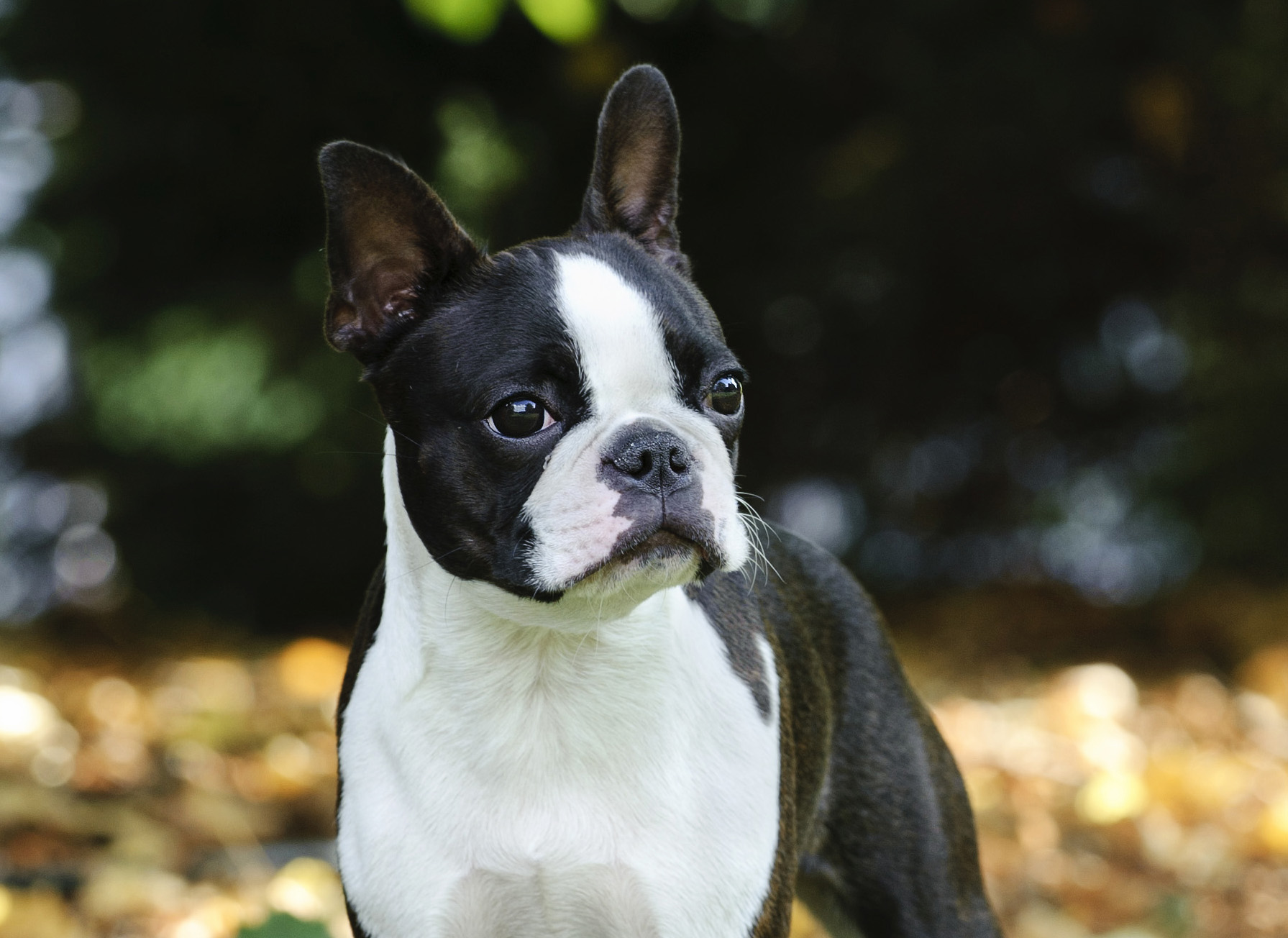
I recently adopted a four-year-old Boston terrier named Marcie from a breeder. I chose an adult dog to avoid house training and was told she was already trained.
Since coming home, she has had very inconsistent bathroom habits. At first, she rarely went outside, even with frequent leash walks. We’ve since added a small, fenced area and we supervise her when she is outside. But she still doesn’t reliably go.
About a week after arriving, she developed diarrhea and began having accidents indoors, so we confined her to the kitchen. She’s been on a bland diet, and the diarrhea seems resolved, but now she sometimes goes two days without a bowel movement. Her urination has increased, though she occasionally urinates large amounts in the house, even after going outside. I’ve also found urine in her crate bedding. She sometimes comes inside and immediately urinates on rugs. I’m unsure whether she was truly house-trained, is still adjusting, or could have a medical issue.
Any guidance would be greatly appreciated.
— Penny, Ayleett, Virginia
Dear Penny,
Given everything you’ve described, my first recommendation is to have Marcie seen by your veterinarian to make sure there is no underlying medical issue. If she is healthy, then it’s probably a little of both: adjusting to a new home and not being completely house-trained.
Dogs from breeding situations don’t always learn typical household routines, even if they are described as “house-trained.” And consider that she likely spent four years in that environment as a breeding dog before being moved to a new home once her breeding years ended. Combined with the stress of this transition, it’s not uncommon to see accidents.
If she’s healthy, there are several things you can do to help her adjust to her new home.
First, consider pheromone support. A canine pheromone diffuser or collar can help reduce her stress and ease the adjustment period.
Second, increase the frequency of Marcie’s potty breaks. Take her out on a consistent schedule, every two to three hours as well as after meals and naps. Stay with her to ensure she fully eliminates. A small food reward immediately after helps reinforce the behavior.
Next, limit her freedom indoors (temporarily). Continue using the kitchen space or crate as a management tool while she learns a new routine. You should also thoroughly clean accident areas. Use an enzymatic cleaner to remove any lingering odor that might encourage repeat accidents.
I know you didn’t want to have to train her, but every dog needs training as part of their transition into a new home. The good news is that Marcie is older and should train much faster than a puppy. Training will help her learn new routines and expectations. But training does more than just teach her house-training skills. It increases her overall confidence as well as her bond with her new family.
Dear Cathy,
My son brought home a rescue pup from a shelter almost two years ago. She's a large dog and extremely smart, but when excited meeting new people, she pees. She also pees when we groom, play with, or even talk to her in her crate. It seems like a mix of nerves and excitement. Any suggestions?
– Audrey, Richmond, Virginia
Dear Audrey,
If you have ruled out a health problem, what you are describing is submissive or excitement urination. Given that your dog does this when meeting people, during grooming, play, and even when being spoken to in her crate, it sounds like she has a lower threshold for stimulation. In other words, she gets overwhelmed more easily, whether by excitement, attention, or a bit of nervousness. It’s not uncommon, especially in sensitive dogs. Submissive urination is often a way of saying, “I mean no harm.”
When greeting her, whether it’s you, family, or friends, keep things low-key. Avoid leaning over her, making direct eye contact, or using an excited voice. Approach from the side, stay relaxed, and let her come to you. Then, offer calm attention. Ask visitors to do the same. And one practical tip: Take her outside before situations where you know she may get excited, such as before guests arrive or before playtime.
For grooming or handling, keep sessions short and pair them with small treats. The goal is to help her associate these moments with feeling safe and steady, not overstimulated.
Since she also urinates in her crate when spoken to, avoid engaging with her while she’s inside it. Wait until she’s out and relaxed – and let her come to you as much as possible. Some dogs outgrow this behavior as their confidence improves.
_____
_____
========
(Cathy M. Rosenthal is a longtime animal advocate, author, columnist and pet expert who has more than 25 years in the animal welfare field. Send your pet questions, stories and tips to cathy@petpundit.com. Please include your name, city, and state. You can follow her @cathymrosenthal.)
©2026 Tribune Content Agency, LLC.
(c) 2026 DISTRIBUTED BY TRIBUNE MEDIA SERVICES, INC.







Comments