Ted Turner didn’t just revolutionize television − he changed the way we see our world
Published in Political News
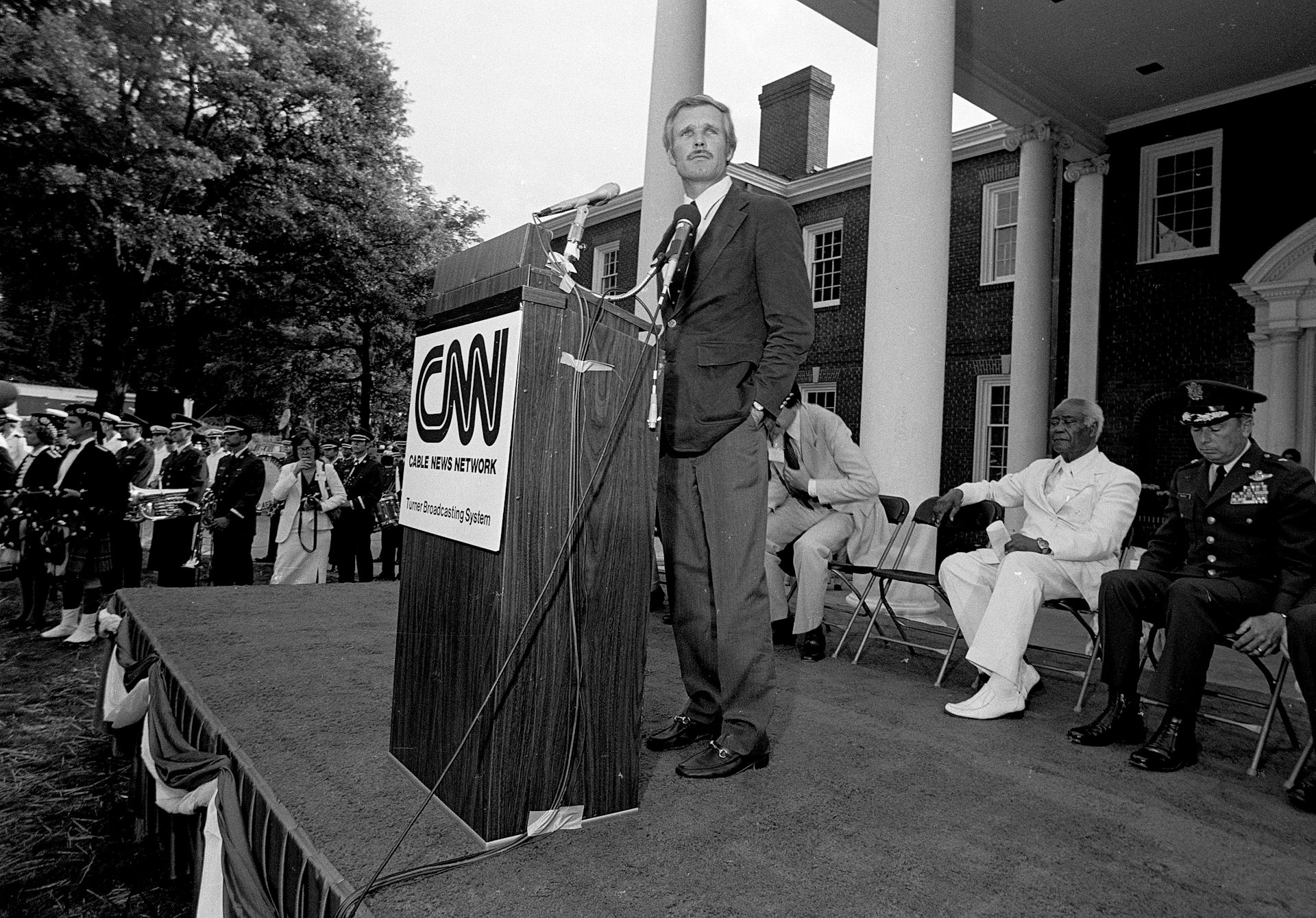
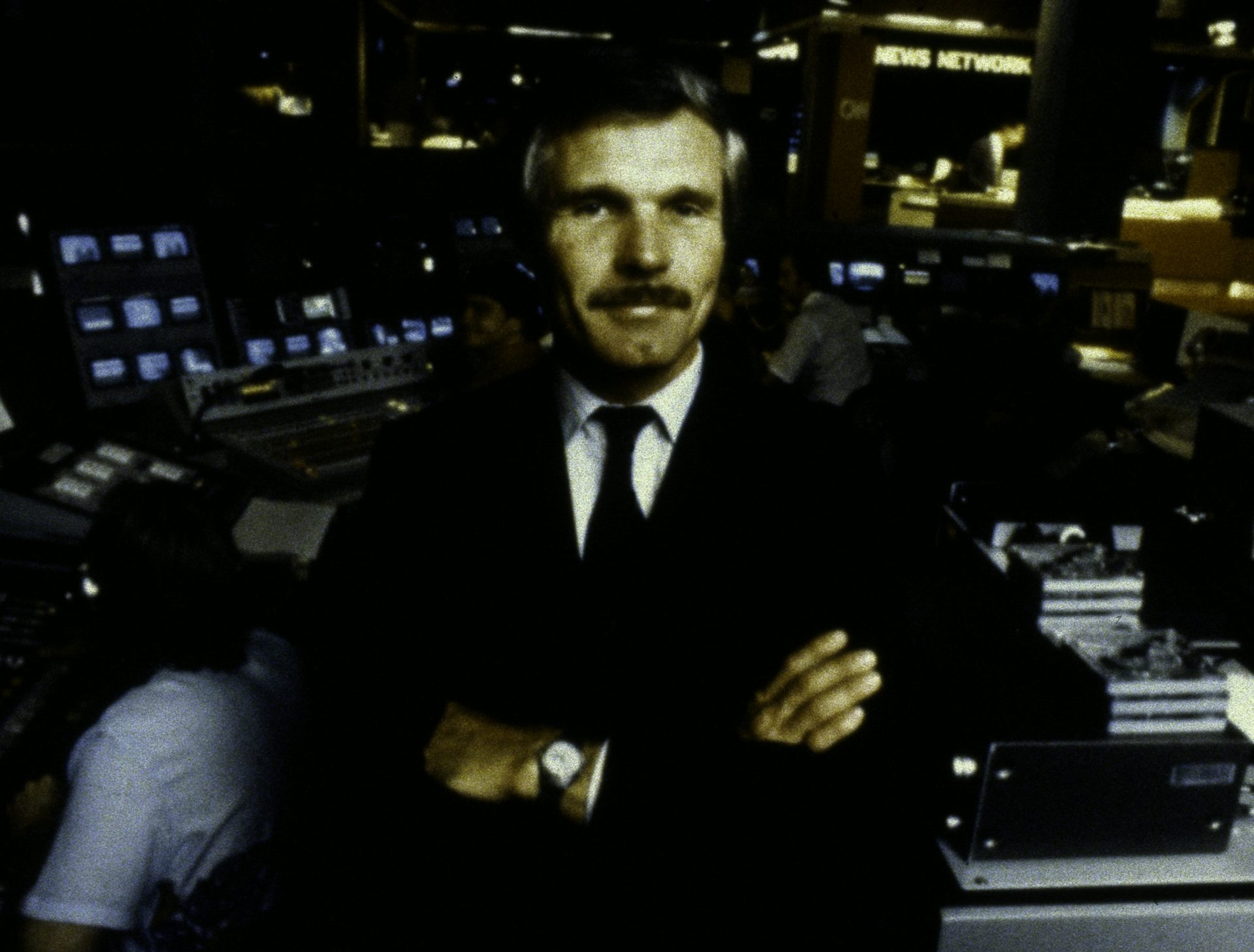
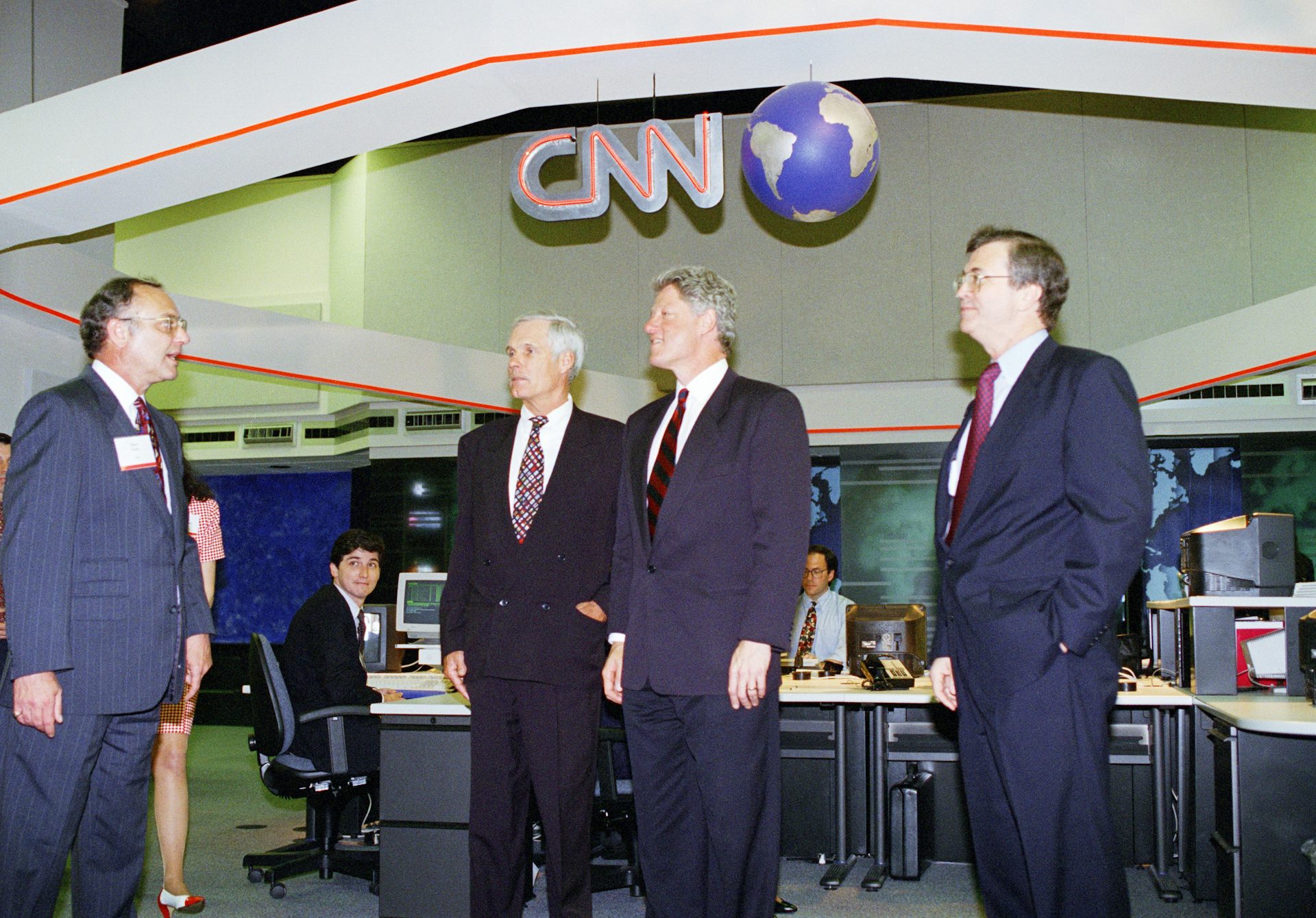


Ted Turner, who died on April 6, 2026, was bright, shrewd and, most of all, lucky. The cable TV visionary proved to be in the right place, at the right time, to change television and video news forever.
Most of his big gambles, on things such as the MGM studio and library, which led to the creation of the Turner Classic Movies channel, paid off handsomely.
But Turner will be remembered mostly for the creation and development of the Cable News Network – CNN – which launched in 1980 and made our knowledge of distant events instantaneous and our world more comprehensible. In this sense, Turner’s legacy extends beyond television. He changed our conception not only of journalism but also of our world.
Turner’s obituaries note his record-setting philanthropy, his impressive conservation efforts and his campaign to make the world safer by securing post-Soviet Union era nuclear weaponry. Over the course of his 87 years, Turner proved an outstanding yachtsman, an active and involved sports team owner and a quotable maverick in the business world.
Yet as a scholar of broadcast history – and a former CNN employee – I think Turner’s ultimate legacy is a bit more atmospheric than measurable.
He changed the media ecology in profound and lasting ways. CNN’s arrival disrupted an established media environment, in which broadcast journalism routines and audience viewing habits had become standardized by the ABC, CBS and NBC TV networks.
The ramshackle early CNN, with its farcical “world headquarters” housed in a former Atlanta-area country club, was derided as the “Chicken Noodle Network” by veteran network journalists. But by the mid-1980s it had established profitability, and by 1991, with the collapse of the Soviet Union and the Gulf War, it assumed a singular position in America’s – and the world’s – information environment.
CNN had matured to respectability, and Turner was recognized as a visionary by Time magazine, which named him 1991’s Man of the Year. His idea had blossomed into a new arena for global information sharing, and his cable network fully competed with the established broadcast channels on big stories throughout the 1990s.
Turner’s cable TV news revolution required significant collaboration. The fulfillment of his vision needed luck, inherited money, innovative new technologies, supportive partners and even federal regulatory intervention.
For example, had Newton Minow’s Federal Communications Commission not pushed Congress to pass the All-Channel Receiver Act of 1962, American TV manufacturers would likely never have placed the UHF dial on their sets. That UHF dial made additional local TV competition possible by allowing more stations to broadcast.
In 1970, Turner purchased UHF Channel 17 in Atlanta, which he named WTGC for “Turner Communications Group,” and UHF Channel 36 in Charlotte, North Carolina, which he named WRET for “Robert Edward Turner,” and began building his broadcasting empire.
By the mid-1970s, the cost of satellite distribution to cable system operators had decreased to such an extent that Turner realized – and seized – an opportunity to nationally distribute his local station. He worked with satellite and cable system operators, building early relationships that would prove beneficial to everyone in the cable industry as it developed over the 1980s and ’90s.
In 1979 and 1980, he used these relationships to build the first 24-hour TV network, but it was his internal hires that made the original channel function. To launch CNN, Turner hired veterans of the TV news business, including Robert Wussler, who had previously been president of CBS Sports and the CBS Television Network. And he hired Reese Schonfeld, who had previously founded the Independent Television News Association, a national syndicator of pooled local TV programming.
It was Turner’s vision, investments and established partnerships that made CNN possible. But the creation of the network proved a team effort requiring managerial competence and veteran television production experience.
CNN’s success was never assured. The channel continually lost money in its initial years. But the idea of 24-hour TV news being delivered to paying subscribers, through their cable system operators, proved so valuable that as early as 1981, two CBS executives secretly jetted to Atlanta to meet with Turner and Wussler about purchasing the network.
“I’ll sell you CNN,” he told them. But the deal floundered when the CBS executives would not accept anything less than 51% ownership – and control – of the channel. “You want control? You don’t buy control of Ted Turner’s companies,” he explained. “Forty-nine percent or less.”
Only four years later, Turner would turn the tables and attempt to take over CBS.
Turner came very close to living long enough to see CBS and CNN under a single ownership. CBS’ parent company, Paramount Skydance, is closing in on the purchase of Warner Bros. Discovery, the corporation that owns CNN.
Yet today, these two once hugely profitable news operations have been subsumed within massive multinational corporations, with their legacy brand equity providing as much value to their ownership as their journalism. Turner had long bemoaned the managerial fate of his cable news channel, which he sold to Warner Bros. in 1996.
Turner is one of the few figures in American media history who left a clearly identifiable legacy. There was a media world that existed before CNN and the one that came after. CNN’s success gave rise to competitors such as MSNBC, Fox News and others.
These channels simultaneously differentiated themselves from CNN while constantly measuring themselves against their older rival. But Turner’s original vision was distinct from the panel programs and punditry that’s now replaced original reporting from around the world.
Turner wanted to own and operate a global news organization where the news would always be the star, and where, like the classic wire services, professional reporting would be instant and accurate. And he wanted to make a fortune while doing it.
When he finally succeeded, critics began to complain about what journalist and academic Tom Rosenstiel called “The Myth of CNN” in a cover story in The New Republic in 1994. Scholars bemoaned CNN for its privileging good visuals over context and depth. They argued that its foreign coverage failed to maintain sufficient independence from the U.S. government.
Dictators and terrorists around the world learned to exploit CNN to get their messages across to the American public. In this sense, CNN’s neutrality, once a source of respect and credibility, could also undermine it by making the channel easily exploitable.
Billions of people around the world now take for granted the profusion of news access to anywhere on earth, at any time of day or night. That world was unimaginable before Turner’s work to make CNN conceivable and then real.
His legacy is not simply a series of cable channels but an entirely new way of thinking about information retrieval and access. Think about that the next time you scroll past video clips from London, Tokyo, Beirut or Mexico City, or check out breaking news videos from Ukraine or Tehran. And thank Ted for making such a world possible.
This article is republished from The Conversation, a nonprofit, independent news organization bringing you facts and trustworthy analysis to help you make sense of our complex world. It was written by: Michael J. Socolow, University of Maine
Read more:
The limits of free speech protections in American broadcasting
A Paramount–Warner Bros. Discovery merger could give Trump even more influence over US media – shaping the news and culture Americans watch and stream
Why Jimmy Kimmel’s First Amendment rights weren’t violated – but ABC’s would be protected if it stood up to the FCC and Trump
Michael J. Socolow does not work for, consult, own shares in or receive funding from any company or organization that would benefit from this article, and has disclosed no relevant affiliations beyond their academic appointment.

















































Comments