More coastal flooding is coming to California. Here are 3 more king tide dates
Published in News & Features
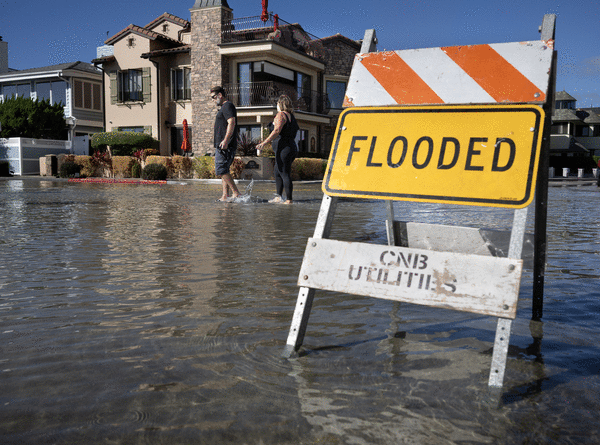
The highest tides of the year so far are causing problems along the California coast, producing coastal flooding advisories and warnings from Los Angeles to Eureka to this week. And it’s not just normal tidal action that is to blame.
For starters, the king tides are the strongest tides of the year, occurring during new and full moons in the fall and winter as the Earth, sun, and moon come into close alignment. They are highly predictable and regular. They can still cause problems on their own, as Miami has experienced this week, but California has two other factors that are making these tides even higher than they otherwise would be.
The first is a major marine heat wave along the coast that started last year. As ocean temperatures rise, the water expands enough to produce a measurable increase in sea levels.
The second factor is the record El Niño. You may have heard about “Kelvin waves” over the past two months. In short, as heat builds up in the eastern Pacific Ocean, surges of warm water are pushed up the coast — raising sea levels and further warming coastal temperatures.
These coastally trapped Kelvin waves made it to Southern California in mid-September, and have been pushing north ever since. In Southern California, water temperatures are running 8-10 degrees Fahrenheit above normal for this time of year. Further north, water temps near the Bay Area are a notable 5-8 degrees above normal.
Aside from the impact to marine ecosystems over the coming months from this pilling-on heat, sea levels are elevated even higher than they otherwise would be during these king tides, sometimes by even a foot or more above what is expected. In Los Angeles, the record high tide was recorded Monday morning at over 8 feet, with nearly 1.4 feet coming from the extra heat.
Coastal flooding an issue this week
The window for king tides will linger for a few days along the entire California coast. In Southern California, a coastal flood warning is out through Thursday for San Diego and Orange County. A coastal flood advisory is in effect from Los Angeles through San Luis Obispo and north into Big Sur.
Further north, the coastal flood advisory has been extended through Friday in the Bay Area, with the advisory stretching inland into portions of Sonoma County along river banks.
If you are headed to the coast, watch out for flooded roads, especially in low-lying areas. The good news this week though is that by Friday, as the full moon begins to fade, tides will ease slowly while remaining elevated.
Warmth and tides will continue building into winter
Huddled around a crowd at Crystal Cove State Park at Newport Beach, Gov. Newsom signed an executive order Tuesday to protect coastal communities along Highway 1, stating the need for the state to be resilient as El Niño’s influence on the atmosphere and oceans grows stronger.
The order is a direct move for state agencies to prioritize coastal resiliency work now before tides grow even higher and more rain is expected this winter.
“Keeping communities safe means taking action before a storm arrives,” said Caroline Thomas Jacobs, director of the California Office of Emergency Services.
El Niño is expected to continue strengthening through the next month or two, and remain at record strength into the start of 2027. Because of this, all the built-up warmth along the eastern Pacific will continue to head east, collide with the shoreline, and run up the coast of Mexico towards California as several more “rounds” of Kelvin waves.
That means more continued rounds of coastal flooding and erosion through winter, especially during storm events and the next three king tides of Nov. 24-26, Dec. 22-25, and Jan. 20-22.
According to the California King Tides Project, the high tide on Christmas Eve at Ocean Beach in San Francisco could reach 7.3 feet, and that’s not accounting for the El Niño effect which could add another foot on top. For reference, the high tide Tuesday morning was 7.7 feet with that effect. Further south, Port San Luis reached a similar 7.7-foot high tide this week, and could surge to 8.3 feet in December.
This pile-on effect of sea level during the highest tides could decline in February, but the effects of storm surges could last longer as El Niño is expected to remain strong into March.
©2026 The Sacramento Bee. Visit at sacbee.com. Distributed by Tribune Content Agency, LLC.






Comments