Pope Leo’s trip is a homecoming to Peru – where debate over liberation theology roiled the church during his early years as a priest
Published in News & Features
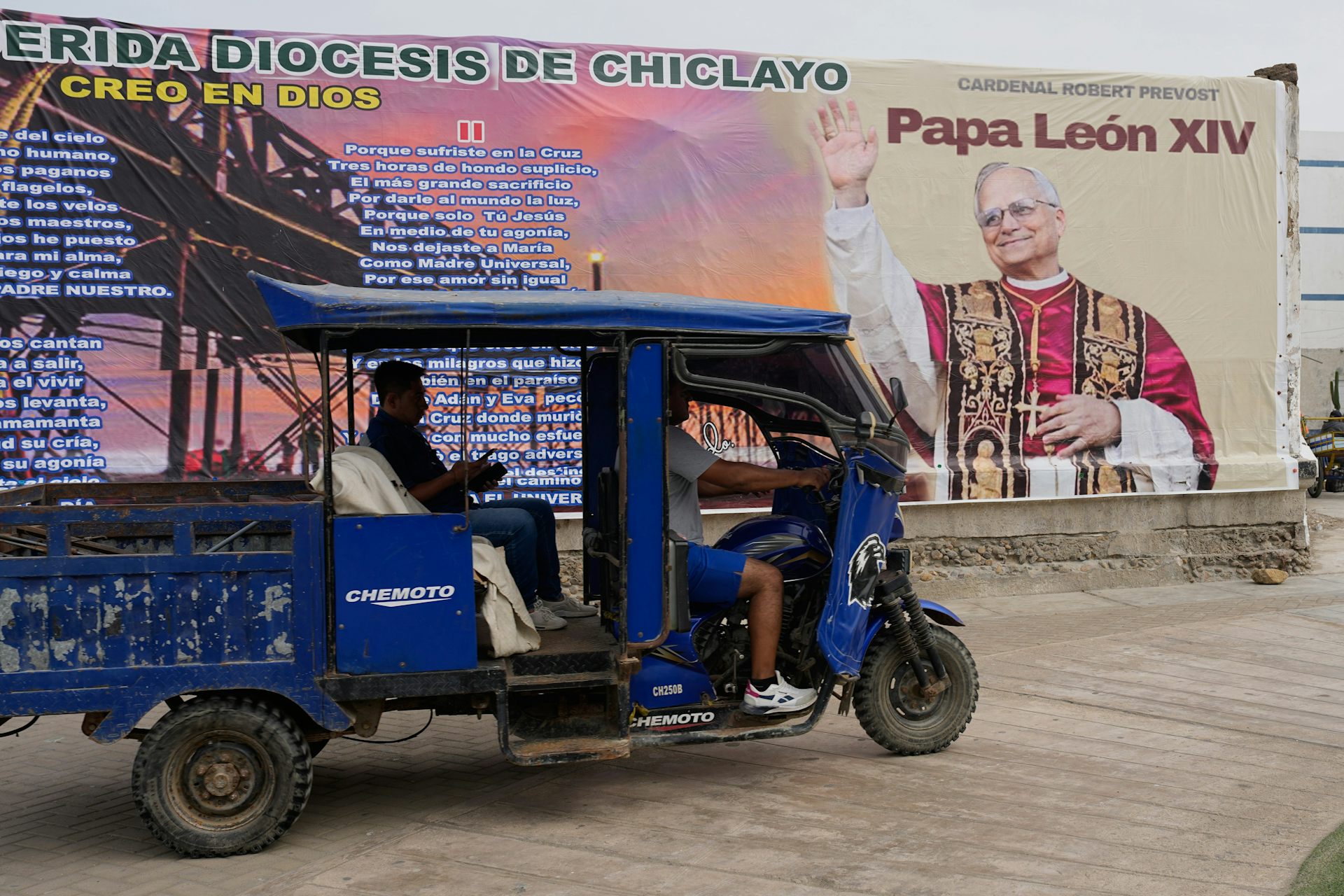
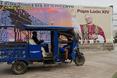
Pope Leo XIV travels to Latin America on Nov. 6, 2026, with a packed itinerary that will bring him through Uruguay, Argentina and Peru. It is Leo’s first trip to the region since his elevation to the papacy – and a homecoming for a pope who spent two decades in Peru and holds Peruvian citizenship.
As a historian of Catholicism in the late 20th century, I couldn’t help but notice that the pope’s plans walk a fine line during a fraught political moment in Latin America.
Leo plans to meet with the right-wing presidents of Argentina and Peru. He will also visit sites often associated with the progressive wing of the Catholic Church, including Casavalle, one of the poorest neighborhoods in Uruguay’s capital. In Argentina, where President Javier Milei has drastically cut funding for disability services, the pope will go to a Catholic home for disabled people.
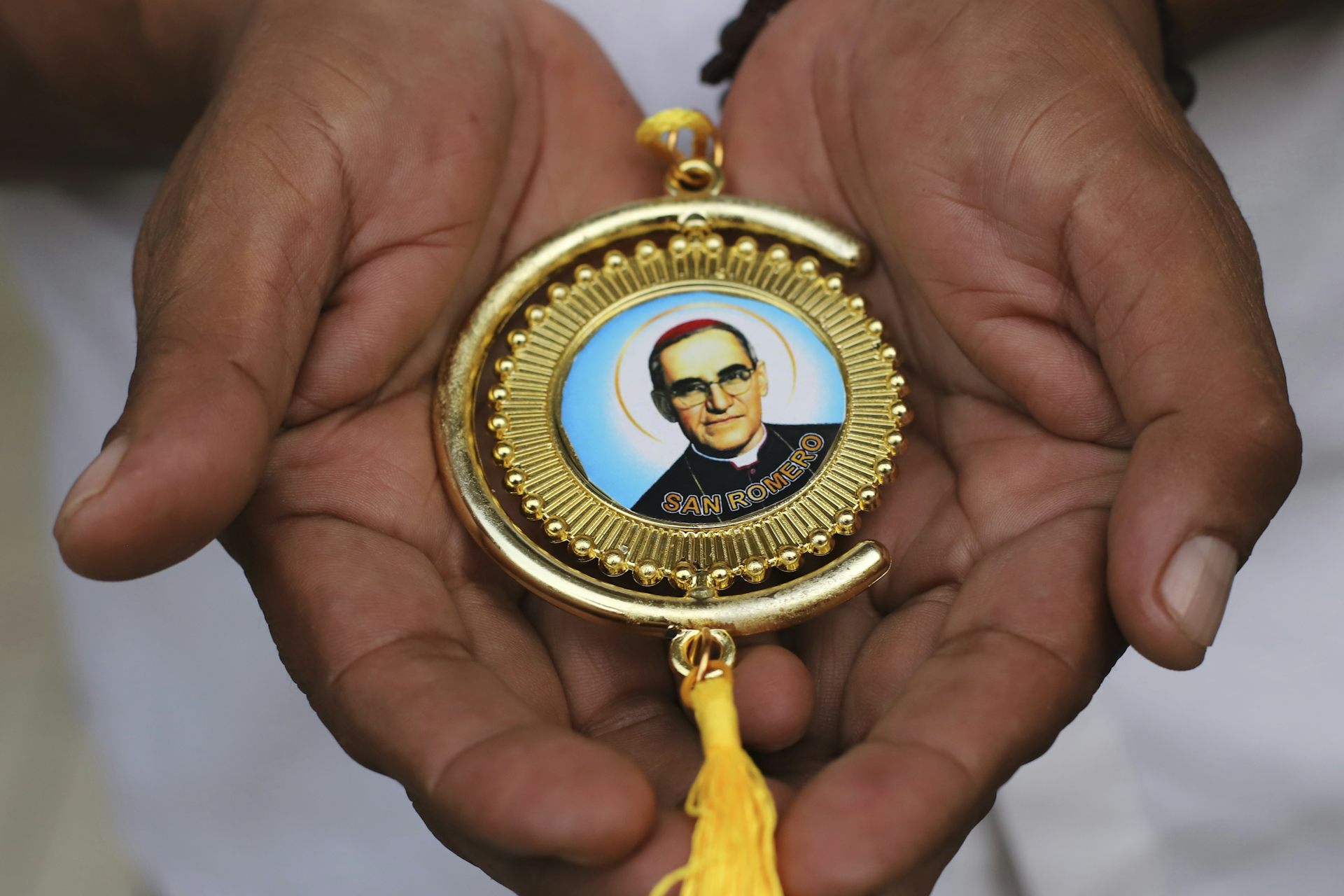
And in Chiclayo, Peru, where Leo served as a bishop, he will pray at a chapel dedicated to St. Óscar Romero. A Salvadoran archbishop, Romero was assassinated in 1980 after years of speaking out against the human rights violations committed by the U.S.-supported Salvadoran military. His ministry was influenced by liberation theology, a controversial movement born in Peru that roiled church politics for decades – including during Leo’s years in Peru.
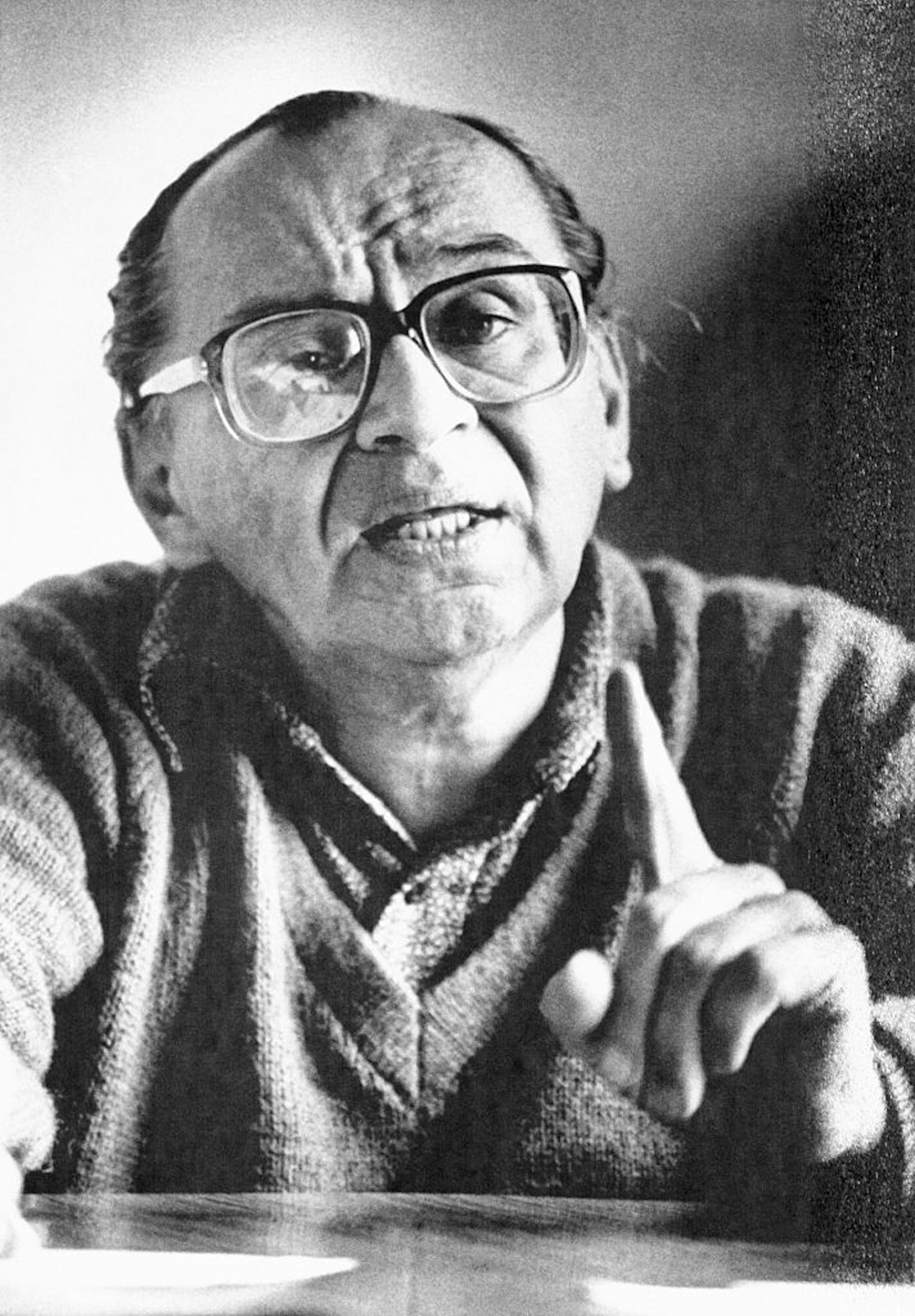
The name itself was coined in a 1968 lecture by Gustavo Gutiérrez, a Peruvian theologian and priest. He expanded on his ideas in a 1971 book, “A Theology of Liberation.”
Gutiérrez and like-minded theologians argued that Christians have a moral duty to liberate the oppressed. They saw poverty, violence, racism and discrimination as not just problems but collective sins. While building on earlier Catholic social teachings, these “liberationists” envisioned profound change that went beyond the spiritual care and charitable work of traditional Latin American Catholicism.
Catholics inspired by liberation theology created community organizations and work cooperatives, organized labor unions and fostered other initiatives that sought to measurably improve the lives of the poor. In my own research, I’ve documented how priests and nuns in rural Mexico helped organize transportation, corn milling and carpentry cooperatives.
Gutiérrez also argued that Christians should use Marxist ideas about analyzing society and the economy to better understand inequality. In nations like Peru, which possessed rich natural resources, liberationists tailored their economic justice projects to address how international and national companies profited off the low wages of miners and farmers.
During the Cold War, however, these ideas led some politicians and church leaders to accuse liberationists of socialism and communism.
A minority fringe of liberationists did embrace left-ring radicalism. Christians for Socialism, for example, argued that liberation meant rejecting capitalism. Some clergy, although only a handful, even picked up arms to fight alongside clandestine left-wing revolutionary groups.
This presented a dilemma to the Vatican.
In 1891, Pope Leo XIII – the current pope’s namesake – published “Rerum Novarum,” an encyclical focused on workers’ rights amid the Industrial Revolution. Since then, the Vatican had critiqued the worst excesses of capitalism while also rejecting socialism and communism, which it viewed as godless ideologies.
During the 1960s and ’70s, Pope Paul VI generally supported local initiatives by liberationist Catholics, including some in Chulucanas, Peru, where Leo began his missionary work. Paul appointed and elevated bishops who shared a vision that the church could help empower the poor and alleviate oppression.
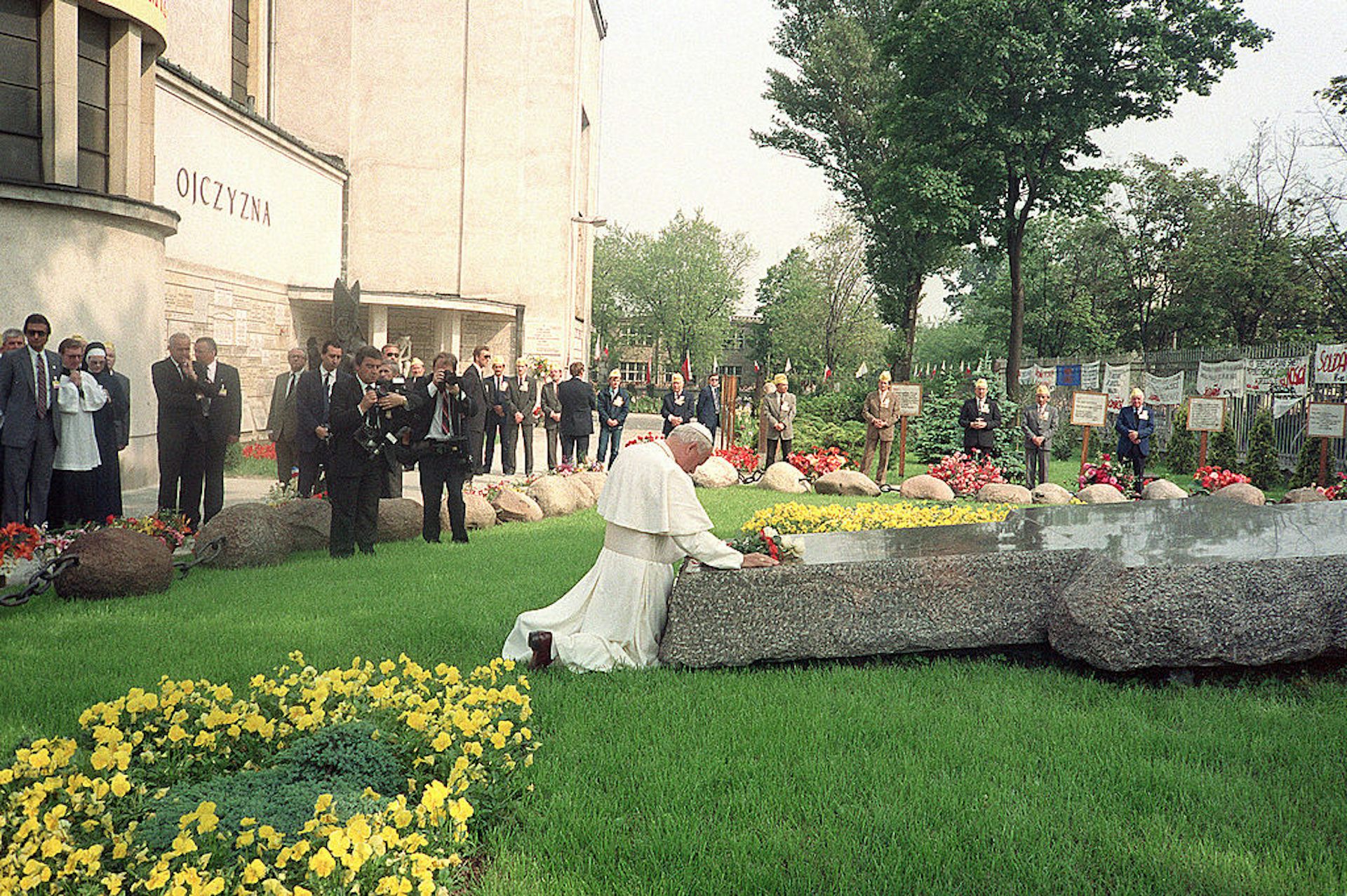
But the Vatican shifted when the Polish cardinal Karol Józef Wojtyla became Pope John Paul II in 1978. For most of his adult life, Poland had been part of the Soviet bloc, which imposed restrictions on organized religion. A staunch opponent of communism, he worried about liberation theology’s use of Marxist analysis. So did one of his top Vatican officials, Joseph Ratzinger – the future Pope Benedict XVI.
The Vatican began investigating some liberation theologians for violations of church teachings. In 1985, for example, Brazilian liberationist theologian Leonardo Boff was ordered to observe a year of silence – no publishing, no public speaking – to discipline him for his critique of the church’s hierarchy. Several priests were suspended over their work in Sandinista Nicaragua.
John Paul ordered that the Peruvian bishops begin an investigation of Gutiérrez – above all, over Marxism’s influence on his work. Gutiérrez was ultimately not punished.
One factor in his favor may have been his consistent opposition to armed revolution, even before violence raged in Peru from the 1980s into the ’90s. The Shining Path, a Maoist guerrilla group, was waging a war of terrorism against the Peruvian government, setting off bombs across Peru.
Under President Alberto Fujimori, the government escalated existing counterinsurgency operations, often using indiscriminate violence against citizens in the region where the Shining Path emerged. In 2009, Fujimori was convicted of human rights violations.
Leo has never described himself as a liberationist Catholic. However, his experiences as a priest were indelibly shaped by liberation theology, the Peruvian armed conflict and the church debates that roiled much of Latin America during his years there.
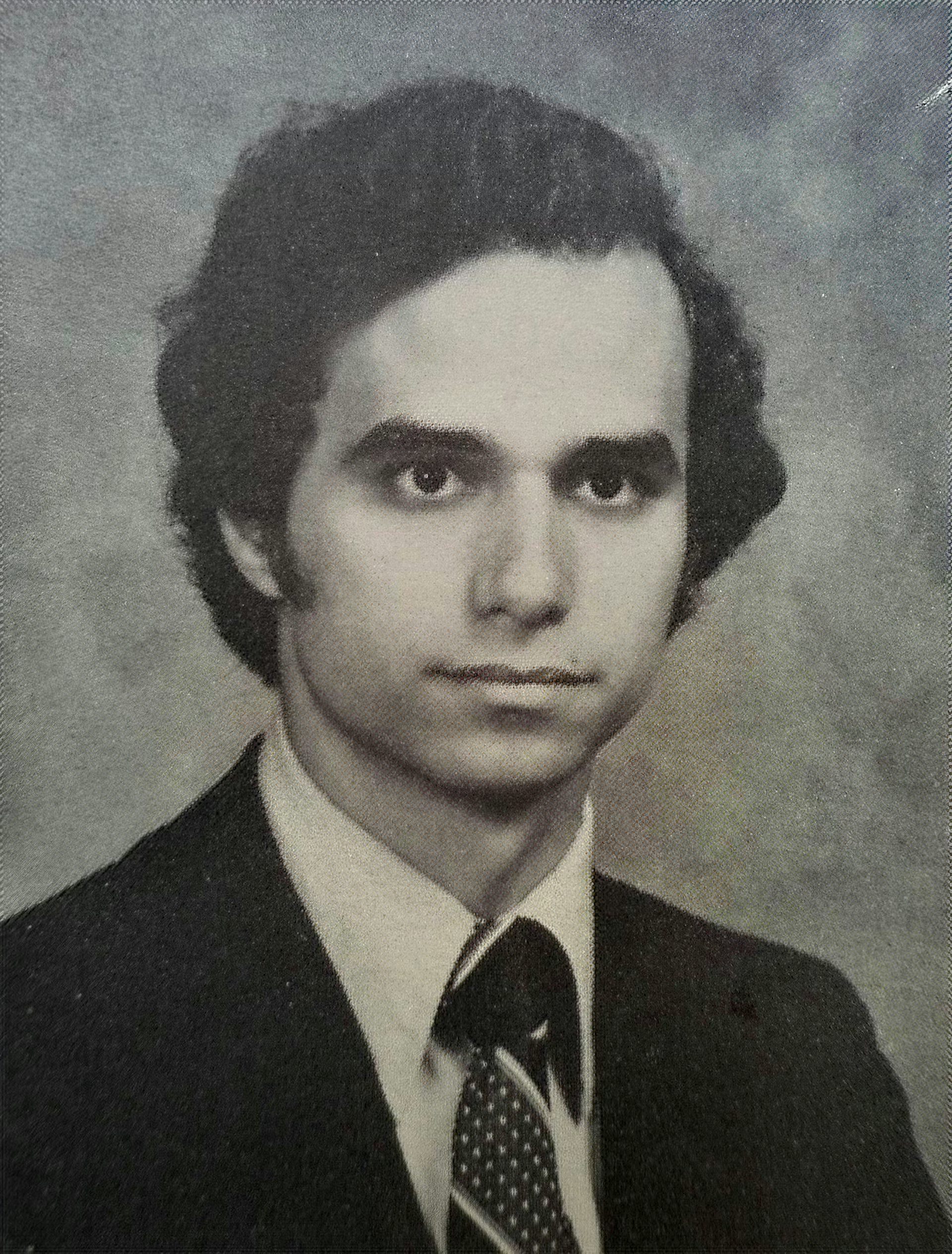
Leo, born Robert Prevost, was raised in Chicago. After ordination, his journey as a priest began in Peru, where he landed for missionary work in 1985. The young friar followed in the footsteps of other U.S. Catholic missionaries who had been serving among Peru’s poor and Indigenous, urban and rural, since the 1940s.
Sent to Chulucanas, in Peru’s coastal northwest, Prevost found himself in a region of pastoral experimentation. Since the 1960s, Augustinian missionaries had been working closely with the community to provide literacy education, discussion groups about poverty and inequality, and workshops to train artisans.
These programs were a far cry from the more radical actions of some Catholics who supported liberation theology. Nevertheless, the programs in Chulucanas aimed to empower the Peruvian poor, chipping away at exploitation and low wages on the region’s sugarcane and cotton estates. Like Gutiérrez, many Peruvian Christians believed that the Shining Path drew support because of pervasive poverty and inequality, and that churches could help transform the nation.
But the Catholic Church in Latin America was in the midst of another transformation. John Paul gradually appointed conservative bishops across the continent. Experimental pastoral programs lost support, and institutions that trained priests to put liberation theology into action, such as the Regional Seminary of the Southeast in Mexico, were shuttered or “reoriented.”
Yet even as the hierarchy shifted conservative, work on the ground among Latin America’s poorest continued apace. From coffee cooperatives in Mexico to human rights activists across the continent, many programs survived.
Leo’s 2026 itinerary includes multiple stops that speak to this history and on-the-ground pastoral work. The most symbolic, perhaps, is the Capilla San Óscar Romero, located in Chiclayo, the pope’s former diocese.
A neighborhood chapel renovated with donations from Leo’s connections in the United States, it is one of many sites throughout the Americas honoring Catholics who fell victim to right-wing, anti-communist violence. The day before Romero’s assassination, he used his weekly radio address to speak directly to El Salvador’s conscripted soldiers, telling them, “No soldier is obliged to obey an order counter to the law of God.”
Leo XIV’s visit to the chapel is for private prayer, not a homily or a speech. Still, I would argue that the soft-spoken pope’s stop will evoke Romero’s message – especially at a time of strikes against suspected drug traffickers, which human rights groups have criticized as extrajudicial killings. During his final Mass, Romero pleaded, “I beseech you, I beg you, I command you in the name of God: Cease the repression!”
This article is republished from The Conversation, a nonprofit, independent news organization bringing you facts and trustworthy analysis to help you make sense of our complex world. It was written by: Eben Levey, Rochester Institute of Technology
Read more:
What is Sharia law, and why is it so controversial in the United States?
‘Let nothing be forgotten’: Holocaust survivors’ memorial books honored lives lost and vibrant hometowns
19th‑century Catholic teachings, 21st‑century tech: How concerns about AI guided Pope Leo’s choice of name
Eben Levey does not work for, consult, own shares in or receive funding from any company or organization that would benefit from this article, and has disclosed no relevant affiliations beyond their academic appointment.




Comments