The ‘religious left’ may be rising – but Black Christian women have been there all along
Published in News & Features
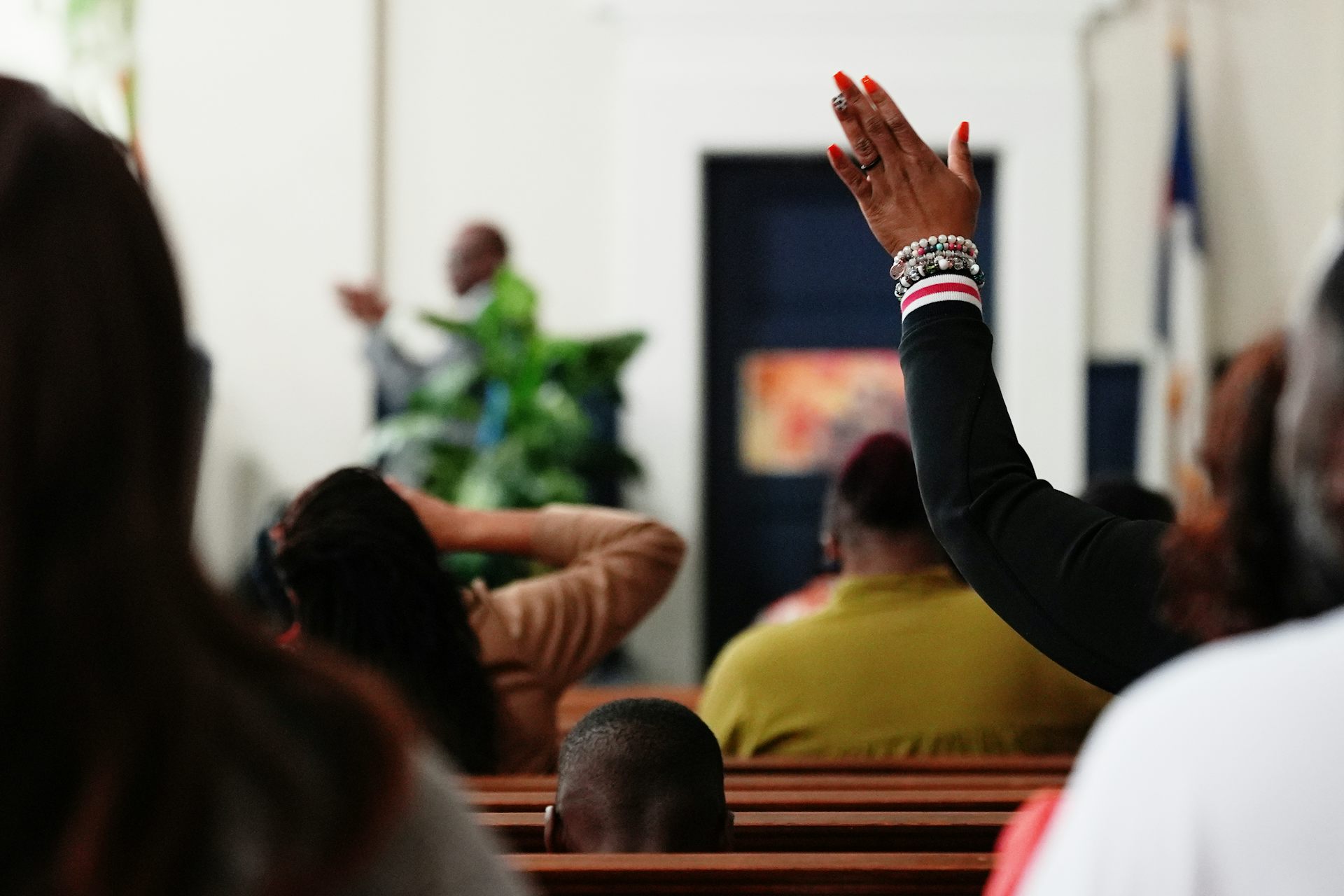
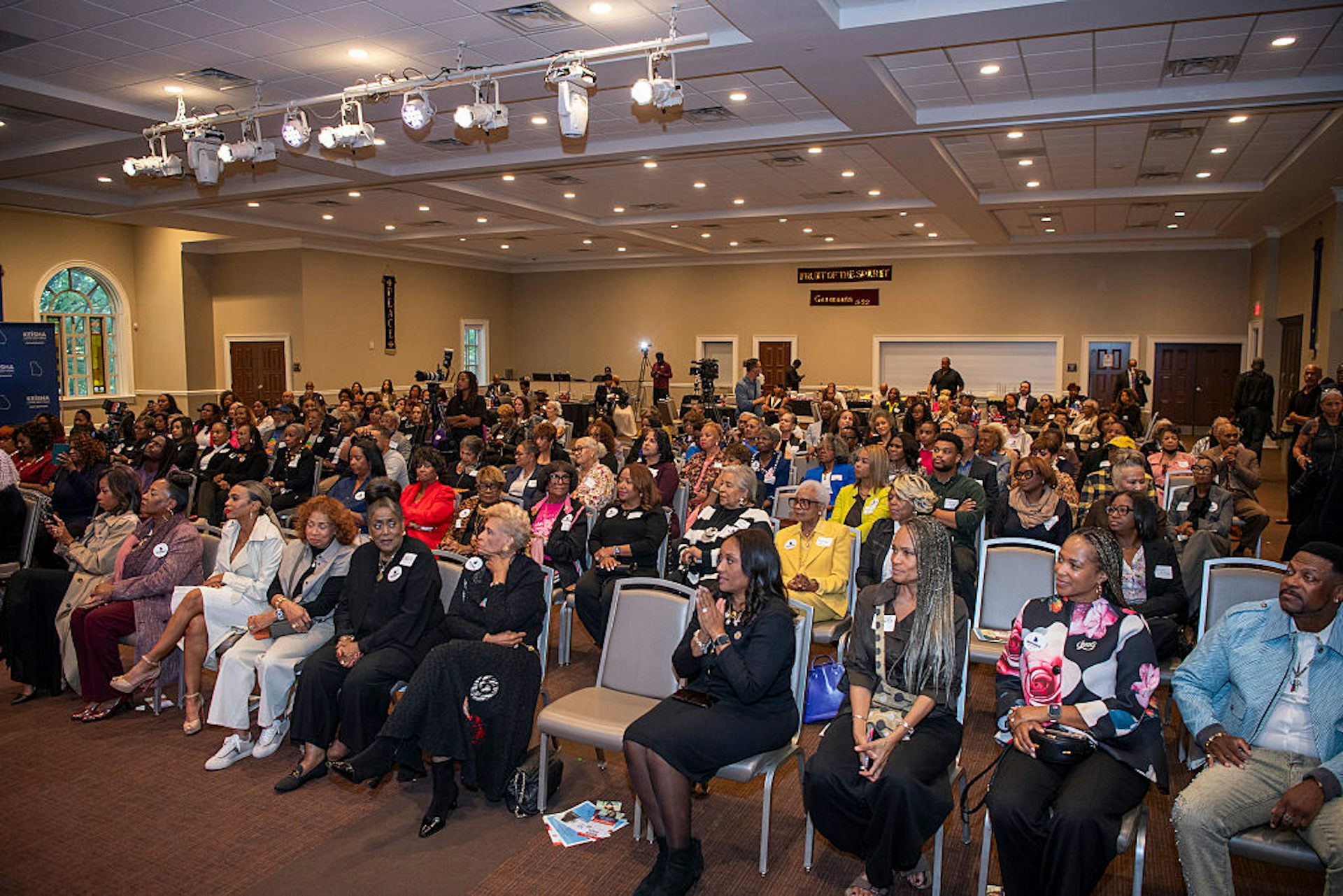
During campaign season, headlines were full of candidates who spoke openly about their faith – and many of them were Democrats.
Adam Hamilton, the new senator-elect from Kansas, is pastor of the United States’ largest United Methodist congregation. Frederick Haynes, who will represent a Texas district in the U.S. House of Representatives, is a Baptist pastor. Texas Sen.-elect James Talarico is a Presbyterian seminary student who put a biblical commandment – “Love thy neighbor” – at the center of his campaign.
Since election night, journalists and commentators have attributed a significant amount of credit for the proverbial “Blue Wave” to the religious left. Although some mention Michigan Sen.-elect Abdul El-Sayed, who is Muslim, and Ohio Gov.-elect Amy Acton, who is Jewish, the focus has been on progressive Christians.
As a scholar of race, gender and religion whose work focuses on Black Protestant Christianity, I found post-election reporting about a rise in the religious left curious. Voters from many faith traditions did help power the “Blue Wave,” but one often-overlooked group has long been the left’s staunchest supporters: Black Christian women.
Focus on the “return” of the religious Democrats highlights the contrast between the religious diversity on the left and the allegiance between MAGA Republicans and evangelicals on the right. According to NBC exit polls, 82% of voters who consider themselves white evangelicals or born-again Christians voted for GOP candidates in 2026. In 2024, 82% of evangelicals in 10 key states voted for President Donald Trump.
But talking about religious Democrats as if they are a new, shiny bauble implies that, until this election, religious progressives have been off the ballot. That is simply not the case, especially when it comes to Black women.
Over the last four elections, majorities of both female voters and Black voters have voted blue. Black women vote for Democrats by an ever bigger margin: 93%, in 2026 exit polls, compared with 59% of women overall and 86% of Black men. Although Black women account for only 5-7% of Americans, they have been the most consistent Democratic voting bloc.
More than 7 in 10 Black Americans are Christian, and the vast majority are Protestant. Another 4% belong to other faiths, including Islam, and 22% are religiously unaffiliated. According to Pew’s 2023-24 Religious Landscape Survey, 2 in 3 members of Black Protestant denominations are women.
Many Black women candidates spoke about faith on the campaign trail.
For example, Keisha Lance Bottoms, the governor-elect of Georgia, attends a Methodist church. A few days after her victory, she spoke at the historic Ebenezer Baptist Church in Atlanta, pastored by Democratic Sen. Raphael Warnock of Georgia. During her visit, Lance Bottoms recalled that she had prayed about whether to run for governor and said that “God told me to go.” Her billionaire opponent was a “Goliath,” she said, but “our God supplied all of our needs.”
Anita Earls, who was re-elected as a judge on the North Carolina Supreme Court, is a longtime member of the African Methodist Episcopal Church.
Among sitting Democrats, Delaware Sen. Lisa Blunt Rochester has spoken about her Christian faith. Massachusetts Rep. Ayanna Pressley, who grew up Baptist, has called herself “a sister in Christ and a woman of faith. Someone who believes in the power of prayer.”
Each of these women is part of the religious left.
Before them was Shirley Chisholm, who became the first Black woman elected to Congress in 1968. Four years later, she was the first Black woman to run for president on the Democratic ticket. Her 1970 memoir, “Unbought and Unbossed,” recounts her commitment to progressive ideals, ranging from education to women’s reproductive rights, and to her Christian faith.
“America has the laws and the material resources it takes to ensure justice for all its people,” she wrote. “What it lacks is the heart, the humanity, the Christian love that it would take. It is perhaps unrealistic to hope that I can help give this nation any of those things, but that is what I believe I have to try to do.”
Before Black women were voted into office, however, they were already pillars of progressive politics. Historically, Black churches have been more than a place to foster belief. They have also been community-based institutions that fostered social, political and economic justice.
Within Black denominations, men tend to hold senior leadership positions. In his famed book “The Souls of Black Folk,” sociologist W.E.B. DuBois observed that the Black preacher was also a community “leader, a politician, an orator, a ‘boss,’ an intriguer, an idealist.”
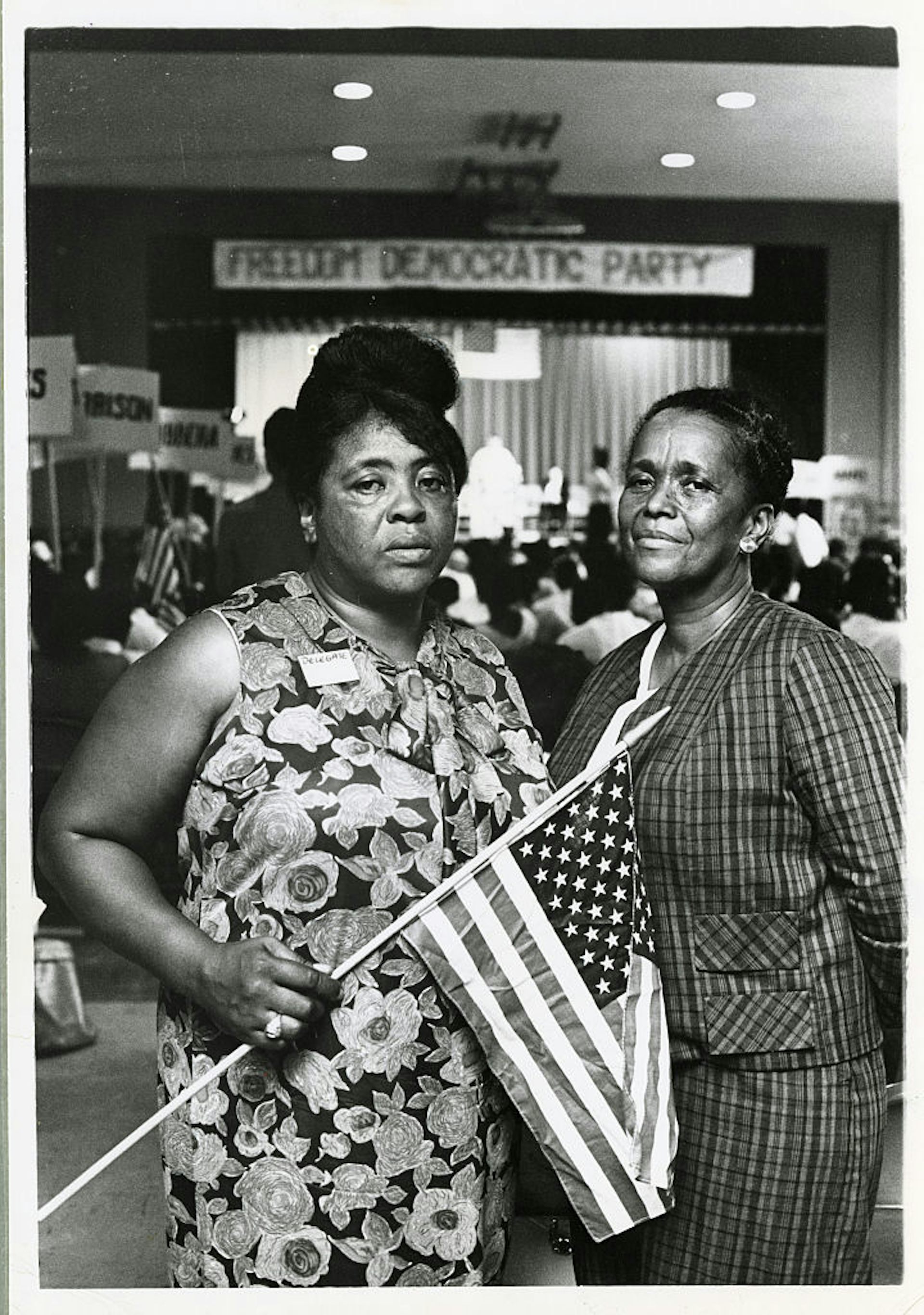
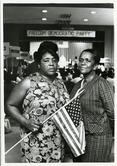
Women’s role was less public, but no less vital, including social and political organizing. In “Witnessing and Testifying,” religion professor Rosetta Ross showed how Black women’s faith and activism inspired each other during the Civil Rights Movement. Among the women Ross surveyed is Ella Baker, who organized the initial meeting for what would become the Student Nonviolent Coordinating Committee and often “used Christian scripture to admonish listeners to fight” for freedom.
Women like Baker, voting rights activist Fannie Lou Hamer, and Clara Muhammad, wife of Nation of Islam founder Elijah Muhammad, show how Black communities’ concerns and faith often intertwined with progressive politics. In 1958, Nannie Helen Burroughs, founder of the Women’s Auxiliary of the National Baptist Convention, said that African American Christians wanted “Jesus, jobs and justice.”
Today, too, faith guides many progressive Black women’s politics and public service. For voting rights activists, for example, casting a ballot is not just a right, but something sacred.
Over the past week, journalists and political pundits have drawn attention to the many different groups that moved to the left to fuel Democrats’ midterm victories, including young voters, Latinos, Asian Americans, men and political independents. Black women voters, meanwhile, have remained steady.
Indeed, history has shown how their steadiness helped guide the Democratic Party’s political and moral compass. And I am willing to wager that they will continue to play an essential role in what the left does between now and 2028.
This article is republished from The Conversation, a nonprofit, independent news organization bringing you facts and trustworthy analysis to help you make sense of our complex world. It was written by: Dara Delgado, University of North Carolina Wilmington
Read more:
Young people turned out in near‑record numbers for the 2026 midterms, with the economy top of their minds
Black Michiganders helped push Abdul El‑Sayed to victory – but the numbers show he was less popular with this key voting bloc than some other Democratic candidates
Birmingham church bombing wasn’t an isolated act of terrorism – there were dozens of attacks on Black houses of worship during the Civil Rights Movement
Dara Delgado does not work for, consult, own shares in or receive funding from any company or organization that would benefit from this article, and has disclosed no relevant affiliations beyond their academic appointment.







Comments