For veterans with mild traumatic brain injury, a restaurant or other noisy environment can feel like a battlefield
Published in Health & Fitness
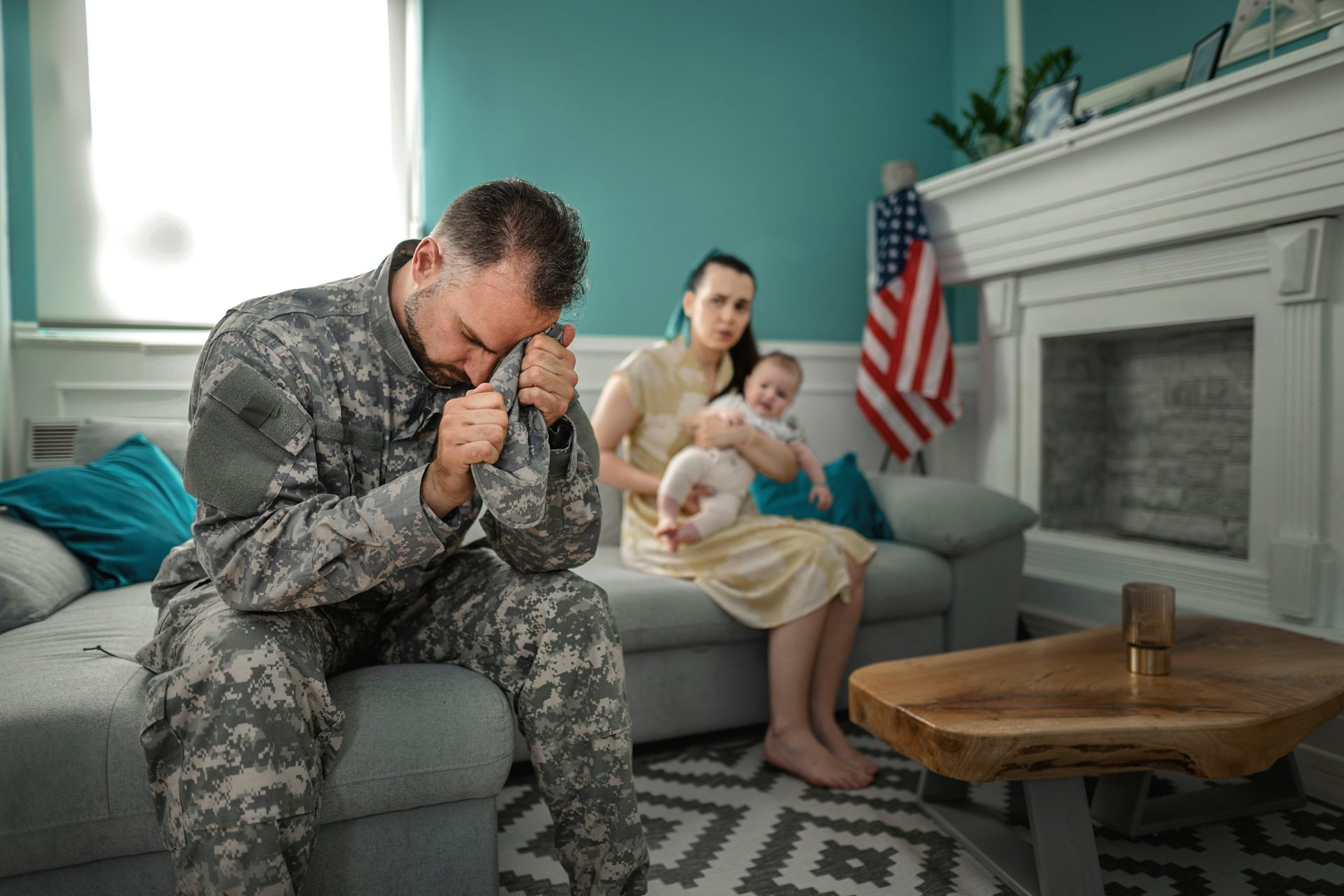

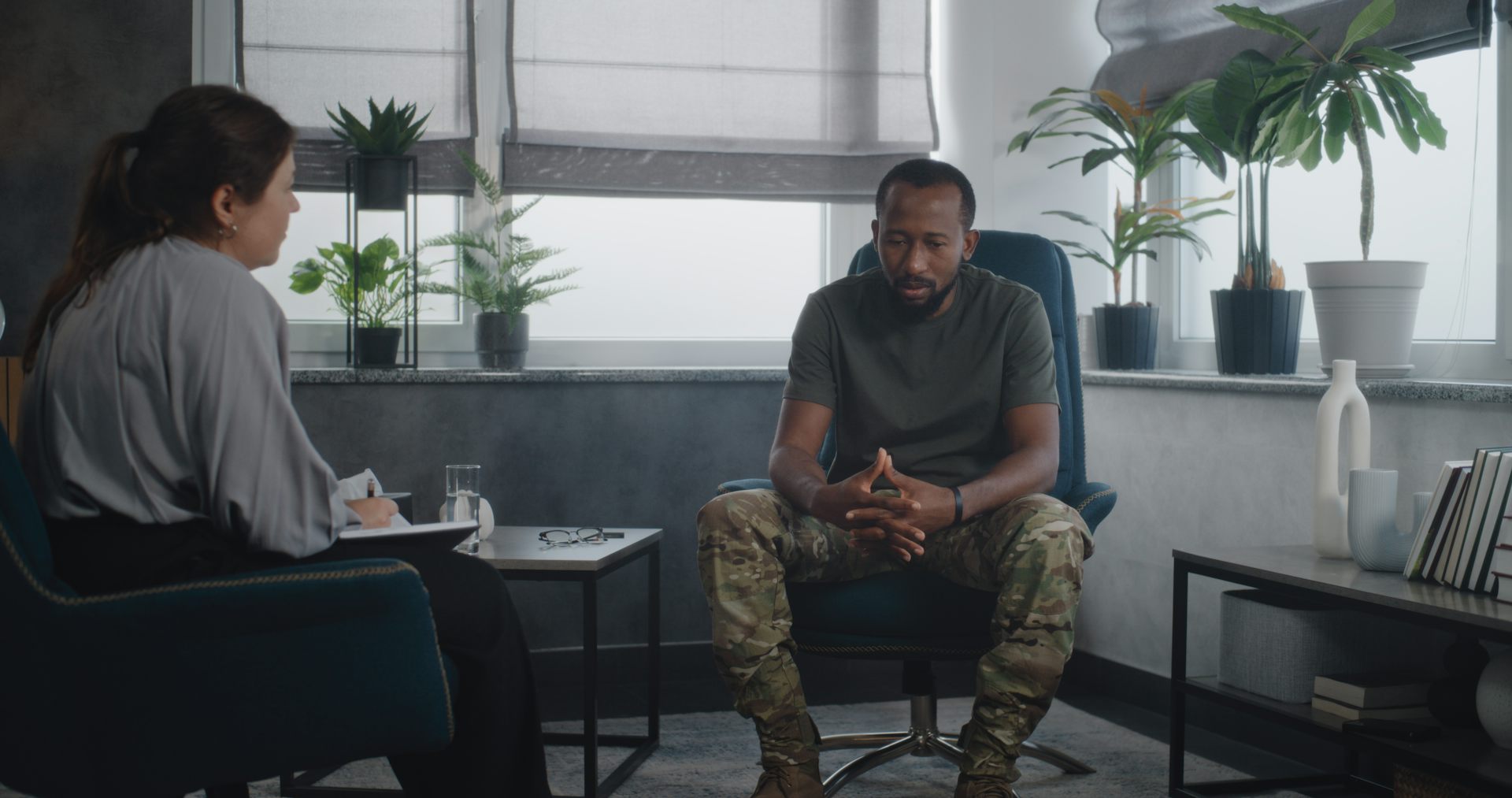


Imagine sitting down with your family at a restaurant. Conversations at your table overlap with those of patrons seated nearby. Utensils clink on plates. Waitstaff weave between tables. Music plays overhead.
Many people might find the bustle of such a scene a bit annoying. However, for veterans with chronic mild traumatic brain injury, or TBI, also referred to as concussion, busy environments like this are frequently intolerable. What should be an enjoyable social event soon escalates to internal mayhem. They find their attention stretched beyond capacity. Tension and irritability grow. The impulse to flee or fight becomes paramount.
Veterans who have chronic mild TBI and have described these experiences to me often ask: “Why does this keep happening?”
I am a clinical neuroscientist providing treatment and rehabilitation at an institute in Colorado for military service members and veterans who have experienced concussions. Some of the most common challenges I see in my patients are irritability and cognitive problems. With this knowledge, my scientific efforts focus on discovering the causes of these persistent symptoms.
My colleagues’ and my research is revealing that these challenges may largely be due to the injured brain being flooded by sensory information that overwhelms its processing capacity. This may explain why even a mild brain injury can interfere with military service members’ transition to civilian life.
Mild TBIs are among the most common injuries that military service members experience and are considered the signature injury of recent wars and ongoing conflicts. Since 2000, more than 500,000 military service members have experienced a TBI, according to the Defense Health Agency. More than four out of five of these injuries are classified as “mild”.
Many people appear to recover quickly from these injuries, within weeks or a couple of months, but for a considerable number of others, symptoms and measurable brain changes persist years or even decades later.
Military service members and veterans often experience post-traumatic stress and mild TBI together. Studies have linked the two conditions collectively to changes in behavior, cognitive complaints and negative impact on their spousal relationship and family satisfaction and functioning.
Addressing these issues solely through a psychological lens has its limits, since many of these problems happen while the veteran is trying to function in environments that can lead to sensory overload.
Throughout the day, the human brain is tasked with managing multiple sensory inputs. It is constantly working to pay attention to what’s most relevant while filtering out whatever might distract it from functioning properly.
But for the injured brain, the filtering process often malfunctions. This can create a bottleneck of sensory information, which stresses the brain’s processing capacity.
In a 2026 study of military veterans, my colleagues and I found that in people with chronic mild TBI, symptoms of irritability were intertwined with post-traumatic stress symptoms and sensory problems such as pain and difficulties processing speech in noisy environments.
In other words, veterans with chronic mild TBI are simultaneously trying to manage ongoing pain, distinguish speech from competing sounds, maintain attention and regulate emotional responses. That may be why busy environments are so burdensome for them: These demands deplete the brain’s bandwidth, pushing it beyond its threshold.
In another recent study, my research team and I found that veterans with chronic mild traumatic brain injury experience difficulties such as quick eye movements and challenges with cognition, including attention, impulsivity and verbal fluency.
Crowded restaurants, grocery stores, airports and family gatherings contain a great deal of visual motion. One of the vision tests in the study is similar to the problem our veterans face in these real-world environments. In these environments, the inability to stop getting distracted by movement in their vision, often referred to as the “squirrel” moment, is a consistent complaint. In our study, we found that the difficulty suppressing that impulse is a problem for veterans with chronic mild TBI and is directly associated with their ongoing difficulties in attention, impulsivity and processing speed.
Increased visual stimulation creates more cognitive load, consuming resources the brain needs to manage other demands. For example, the injured brain also needs to simultaneously manage psychological stress, pain and sound that further deplete the brain’s reserves.
Everyone is equipped with a limited amount of brain and cognitive reserves.
Healthier brains tend to have a larger reserve that withstands onslaughts of sensory stimuli and challenges to emotional and cognitive control. In contrast, the injured brain has a limited reserve or threshold, leading to irritability, poor attention and impulsivity, making socializing with family and friends intolerable.
These limitations aren’t simply an annoyance or added challenge; they test the brain’s ability to continuously, efficiently and effectively process and respond to a world filled with constant incoming sensory data.
For veterans living with the long-term effects of mild TBI, understanding this paradox can often be one of the most important steps toward seeking the most appropriate care.
This article is republished from The Conversation, a nonprofit, independent news organization bringing you facts and trustworthy analysis to help you make sense of our complex world. It was written by: Jeffrey Hebert, University of Colorado Anschutz
Read more:
A thank‑you on Veterans Day won’t close the growing military‑civilian gap
Concussions can cause disruptions to everyday life in both the short and long term – a neurophysiologist explains what to watch for
Military veterans are disproportionately affected by suicide, but targeted prevention can help reverse the tide
Jeffrey Hebert receives funding from the Department of Defense, the Avalon Action Alliance Medical Research Award Program, the Marcus Institute for Brain Health. He is affiliated with the International Concussion Society as a Science & Performance Advisory Board Member.






Comments