Ask the Pediatrician: Raw milk risks and what parents need to know
Published in Health & Fitness
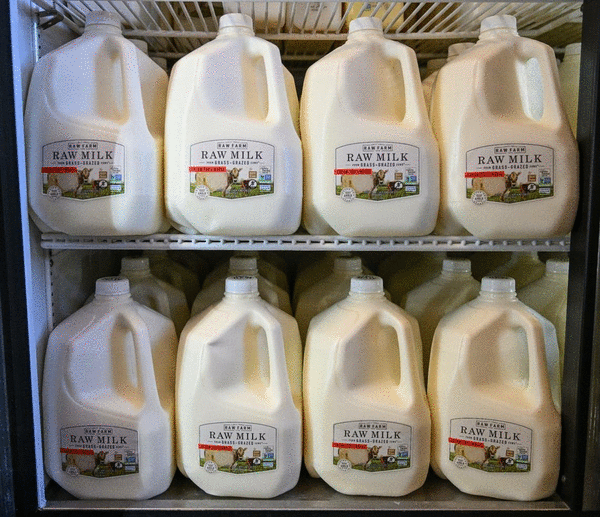
Raw milk is milk from a cow, sheep, goat or other animal that has not been pasteurized — heated to kill harmful germs. Raw milk may also be used to make products such as cream, cheese, yogurt, ice cream, frozen yogurt and pudding.
Anyone can get sick from drinking raw milk or eating foods made from raw milk. However, children account for a large share of illnesses linked to raw milk outbreaks and young children are more likely to develop serious complications from these infections.
Here is what families should know about the risks of raw milk and how pasteurization makes milk safer by killing germs that cause serious illness.
Raw milk is not safe to drink because it can carry harmful bacteria, viruses and parasites. These germs can cause serious health problems for anyone who is infected.
Certain people are especially at risk of getting very sick from contaminated raw milk products. This includes children younger than 5 years old, who are at a higher risk of serious complications such as kidney damage from hemolytic-uremic syndrome and Guillain-Barré syndrome, a neurologic disease. Other people with increased risk include those who are pregnant, those with weakened immune systems, and adults age 65 and older. Some of the potential infections caused by raw milk ingestion during pregnancy can cause miscarriage, stillbirth, preterm birth and severe illness in a newborn
The American Academy of Pediatrics recommends that children, teens, pregnant people and breastfeeding parents consume only pasteurized milk and dairy products.
Harmful bacteria and other germs get into raw milk from animal feces, milking equipment, and infected udders -- also called mastitis -- or a disease such as bovine tuberculosis. Germs can also come from insects, rodents, other small animals, and even dairy workers via their dirty clothing or boots.
Health officials are following an ongoing outbreak of bird flu (avian influenza) that has spread from birds to dairy cows. The outbreak, first reported in 2024, marked the first time that bird flu viruses were found in cows. Bird flu virus has also been found in cats that died after drinking raw milk from infected cows.
With the H5N1 avian flu virus infecting cows, health officials reinforced long-standing advice not to drink raw milk or eat raw milk cheeses. The virus can survive in refrigerated raw milk for several weeks.
Raw milk and other food made with raw milk is legal to buy in some states but not widely across the country. Because people can get very sick from contaminated raw milk, it is illegal to sell raw milk from one state to people in another state. States that allow raw milk to be sold for human consumption have more outbreaks and illnesses from raw milk than states where it is illegal to sell raw milk. Just because raw milk or a raw milk product is sold at a farmers' market does not mean that it is safe.
Additionally, even if a farm regularly tests its milk for bacteria, this does not mean the milk is safe. Low levels of germs in raw milk are not always detected. People have become very sick after consuming unpasteurized milk products from farms that regularly test their milk for bacteria.
Pasteurization is a process that kills harmful bacteria by heating milk to a specific temperature for a set period. The process works well to kill harmful bacteria and viruses and there is no evidence that bird flu can be spread through pasteurized dairy products or infant formula. So, drinking pasteurized milk is considered safe.
Claims that raw milk provides more health benefits than pasteurized milk are not supported by scientific evidence. Both raw milk and pasteurized milk can affect people who are sensitive to milk proteins or have lactose intolerance or a food allergy.
Most healthy people recover after eating or drinking contaminated raw milk products. But some people may have chronic, long lasting, severe symptoms or can die from the infection. Symptoms can include diarrhea, stomach cramps, vomiting, and flu-like symptoms such as fever, headache, and body ache.
If you think that your child got sick from something they ate or drank, contact your pediatrician and report it to your local health department.
When shopping for dairy products, check the label to confirm that the food or drink has been pasteurized.
Avoid high-risk milk and milk products such as unpasteurized milk or cream, yogurt or pudding made from unpasteurized milk, ice cream or frozen yogurt made from unpasteurized milk, and soft cheeses such as brie and Camembert, and Mexican-style soft cheeses such as queso fresco, panela, asadero, and queso blanco made from unpasteurized milk.
If "pasteurized" is not on the label or listed in the ingredients, ask to be sure. Keep pasteurized dairy products in a refrigerator that is set at 40 degrees Fahrenheit or below, and do not eat expired dairy products.
____
Adam Ratner MD, MPH, FAAP is a pediatric infectious diseases physician and a member of the American Academy of Pediatrics Committee on Infectious Diseases.
©2026 Tribune Content Agency, LLC.








Comments