Midterms proceeded without chaos, despite unprecedented Justice Department interference in recent days
Published in Political News
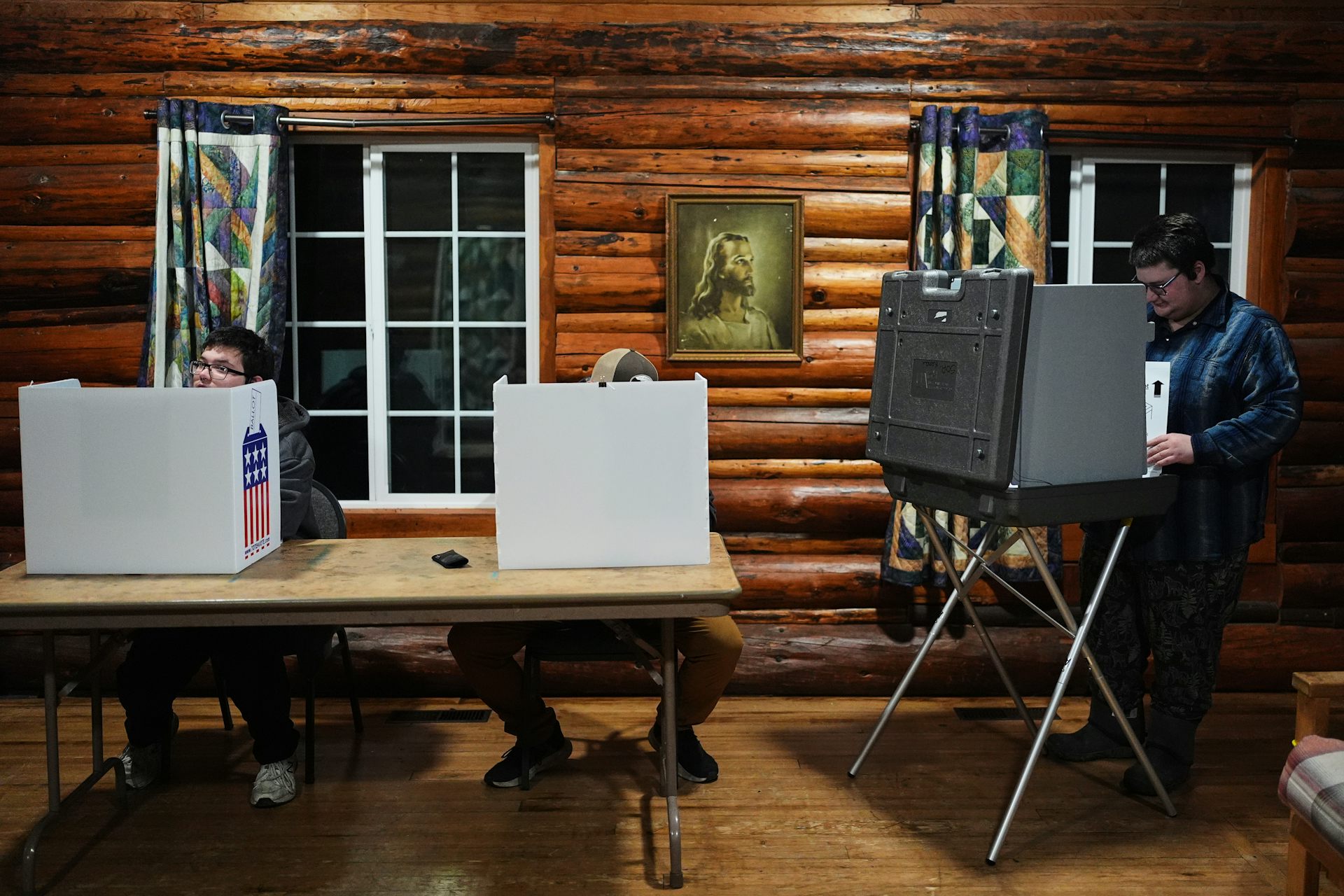


From Washington, D.C. to Anchorage, Alaska, federal courts have been busy with cases related to the Trump administration’s attempts to assert control over state elections. In almost every case, rulings have gone against the administration. But despite the fears of many Democrats, there was no mayhem launched by the Trump administration on Election Day.
One federal judge chastised administration officials for being “engaged in a campaign to intimidate, threaten and coerce state and local officials and employees who are engaged in administering the ongoing midterm 2026 election.” Another wrote with umbrage that “If the Executive can discount votes and threaten an ongoing election due to unproven allegations, then our democracy is in danger.” And the nation’s highest court, the Supreme Court, in what The New York Times called “an extraordinary rebuke,” refused to intervene in the administration’s appeal of a lower court ruling that barred federal intervention in California ballot counting.
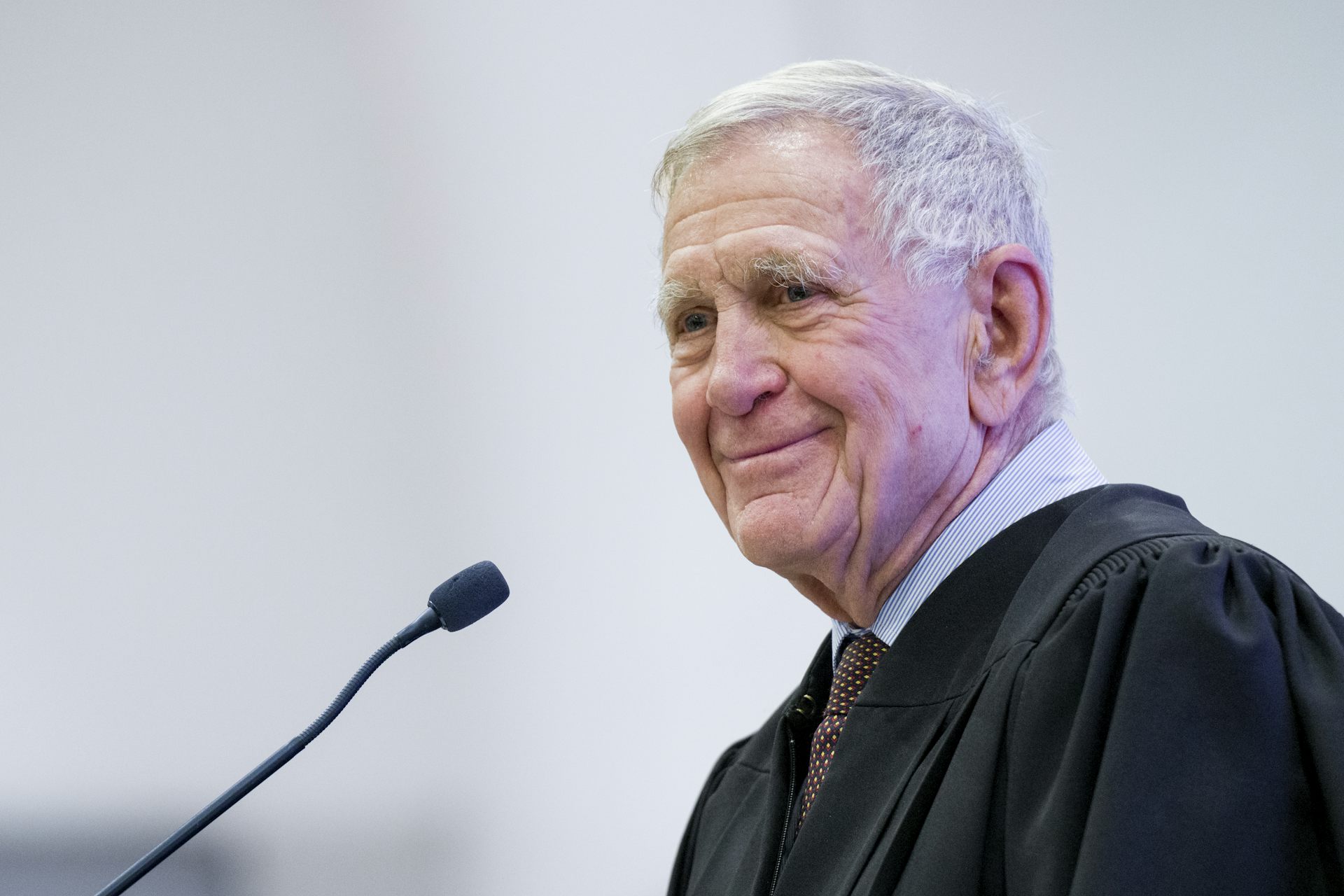
The Conversation’s politics and legal affairs editor, Naomi Schalit, spoke on Election Day with Dickinson College President John Jones, a former federal judge, about the Trump administration’s actions – and how judges see them.
What are you seeing with all these cases?
The common stripe in every one of the cases that have been decided close to the election is that courts are reluctant to get involved after voting has started. And I think the courts’ perspectives are clearly affected by the high number of early votes cast either in person before Election Day or using mail-in voting. Without question, we’ve already been in the midst of this election – from a voting standpoint – for some time, and courts simply don’t want to get in the way of that and disrupt the process.
The court opinions haven’t been only about how they don’t want to get involved. They’re also saying to the Justice Department, “You shouldn’t be taking a role here as well.”
That’s right. And of course it harkens back to what I’ve said before, which is that Article 1, Section 4 of the Constitution gives the states the power to regulate elections. Congress has some license to legislate in matters relating to national elections, but notably absent from Section 4 is any role for the executive branch to play.
All of the cases have that perspective. But as you go case by case, even assuming that the administration could, for example, sell its allegation that there are 20,000 suspect ballots in California and that the administration has an interest in those ballots, it’s simply too close to the election. There is something called the Purcell Principle, based on a Supreme Court precedent, that federal courts as a rule should not wade into election controversies at a point in time that’s too close to when they’re being conducted.
What does the string of administration losses in these cases tell you about the leadership at the Department of Justice?
I believe that the Department of Justice has become completely unmoored from its mission. Recall that in 2016, very close to the presidential election, then-FBI Director James Comey revealed the investigation into candidate Hillary Clinton’s emails.
It was seen as a tremendous breach of protocol by the Department of Justice. And look at where we are today, where it has now become the norm for the Department of Justice to take action so close to the election.
Just today, for example, we know that target letters were sent out by the Department of Justice to numerous individuals allegedly involved in the Alaska controversy that placed a second candidate named Dan Sullivan on the ballot. There were a thousand or so election watchers dispatched to polling places by the Department of Justice – these are unprecedented numbers.
Then there were the lawsuits that were filed by the Department of Justice close to the election. This was forbidden territory for the DOJ before this election cycle, and it’s now become business as usual.
It was forbidden territory because the idea was that – unlike most of the other executive agencies – the DOJ had a kind of holy, nonpolitical status?
The central idea, I think, is that the Department of Justice would not want to put its thumb on the scale and affect an election, particularly if there’s an investigation that is announced and isn’t closed.
To reveal an investigation – or investigations, as they’ve done in several cases now – means that some will take that as meaning there has been criminal misconduct when that obviously may not be the case at all. This is a further weaponization of the Department of Justice, in my view, that I find unconscionable.
And given how clumsy its efforts have been, this is clearly the leadership of the Department of Justice acceding to the wishes of the president of the United States even when there is no sound legal basis to proceed. A lot of this has been very unprofessionally done and strains both the reputation and credibility of the Department of Justice and the lawyers that it’s sending in front of federal judges.
Given the number of judges’ rulings declaring that the administration’s positions are contrary to the Constitution, is the leadership of the DOJ susceptible – if the Democrats get the majority in the House – to impeachment for not fulfilling their oath, which requires them to support and defend the Constitution of the United States?
I don’t know that this is going to ripen to the extent that impeachment is suggested as a remedy, although arguably it could be. But assuming that, for example, the Democratic Party takes control of at least the House, I can easily see that this is going to be the subject of intensive investigations as to who ordered what and when they ordered it. And people are going to be subpoenaed and asked questions under oath that may be difficult to answer.
What is it like for these judges to be dealing with this barrage of cases that are so big and so consequential?
Typically, judges can operate under pressure; I did that many times. You’re equipped to do that as a federal judge. The real drag on the system right now is the absence of the presumption of regularity judges are being faced with. Lawyers are failing to tell the truth under direct questioning by judges. This is really an astonishing development.
Government lawyers are not litigating to the professional standards that once were the hallmark of the department. A tremendous drag on the system is caused when judges hear lawyers telling them things that simply defy belief. And they are being intentionally disingenuous as well.
And then you have to do what some judges are now doing, which is connecting the dots and issuing orders where they are expressly saying what the judge’s areas of concerns are. It’s like spoon-feeding lawyers, which judges really don’t like to do. They expect a higher degree of professionalism.
When you litigate in the federal courts, you should bring your A game – all the time. You’re playing in the big leagues.
Instead, I see minor league players being elevated into government litigators, and it’s a bad look, and it is getting worse.
This article is republished from The Conversation, a nonprofit, independent news organization bringing you facts and trustworthy analysis to help you make sense of our complex world. It was written by: John E. Jones III, Dickinson College
Read more:
Why thousands of federal lawyers leaving government service matters for everyone in the justice system
‘I never issued a criminal contempt citation in 19 ½ years on the bench’ – a former federal judge looks at the ‘relentless bad behavior’ of the Trump administration in court
Trump administration losing credibility with judges and grand juries – a former federal judge explains why this is ‘remarkable and unprecedented’
John E. Jones III does not work for, consult, own shares in or receive funding from any company or organization that would benefit from this article, and has disclosed no relevant affiliations beyond their academic appointment.









































Comments