Flu cases are rising early in Florida. Is it too late to get vaccinated?
Published in News & Features
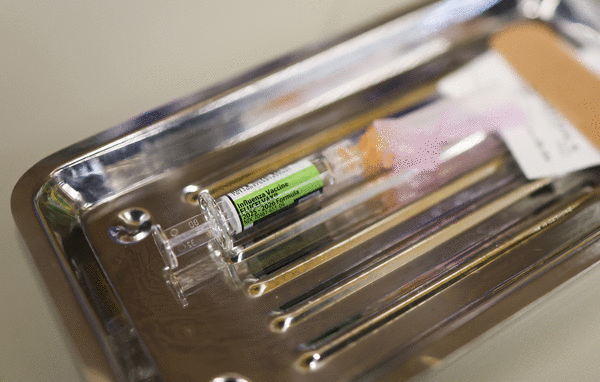
MIAMI — More people are getting influenza earlier in the season this year than in previous years, according to the Centers for Disease Control and Prevention.
But you can still get vaccinated as the numbers pick up.
“As temperatures drop and people spend more time indoors with their loved ones and coworkers, respiratory viruses like flu spread,” said Dr. Willie Underwood III, president of the American Medical Association. “Now is the time to get vaccinated; we urge you to do it as soon as possible. We want you to get protected so that you can protect others. Vaccination can prevent serious illness, hospitalization and even death from these viruses.”
More people are getting the flu in the early season throughout the state. Emergency room visits for the flu have also increased, according to the Florida Department of Health.
Data from the Walgreens Flu Index shows Florida as a hotspot for the flu. As of Monday, the state has a flu score of 4.94 compared to the national average of 3.03.
Walgreens ranks flu activity in each state on a scale from 0 to 10 — with 10 signifying the highest activity — using data gathered at their pharmacies from positive flu tests, prescriptions and over-the-counter cold and flu medication sales.
When should you get your flu vaccine?
You should get your flu vaccine in the fall. The CDC recommends everyone get vaccinated by the end of October, but it isn’t too late.
According to the Florida Department of Health, “the flu vaccine is the best defense against the flu. Every year, the vaccine protects against prevalent seasonal flu viruses.”
The flu season is roughly October through March, and each year different strains of the flu virus circulate, so “it’s important to get a flu shot each year for your best protection,” the health department says on its website.
Flu numbers usually peak in January or February, and “people who get vaccinated against seasonal flu can expect to have immunity within two weeks,” the health department says. “The protection you get from the vaccine will continue throughout the flu season.”
Who should get a flu, COVID or RSV shot?
—Flu: Everyone six months old and older should be vaccinated, according to the CDC. Because babies under 6 months of age are too young to receive the vaccination, it’s important that everyone in the household or around the baby is vaccinated to protect them from getting sick, Florida health officials say.
—COVID: Professional medical societies recommend annual COVID vaccines for children 6 to 23 months, children 2 to 18 years in certain risk groups or if desired, and all adults.
—RSV: These vaccines are recommended for children under 8 months and those 9 to 19 months in certain risk groups. People ages 50-74 at increased risk or age 75+ should also receive an RSV vaccine.
You can receive all three of these vaccines safely at once, according to the CDC, but ask with your doctor on what vaccines you are getting and when.
Where to get vaccinated
—Pharmacies: You may walk in or schedule your vaccines ahead of time at national pharmacies like CVS and Walgreens. Some smaller pharmacies may also offer vaccinations.
—Your healthcare provider: Contact your primary care doctor’s office from to schedule an appointment.
—Grocery stores: Many grocery stores offer vaccination, including the pharmacies at Walmart and Publix. Call ahead, schedule online or walk in.
_____
©2026 Miami Herald. Visit miamiherald.com. Distributed by Tribune Content Agency, LLC.






Comments