G7 calls on Cuba to make 'significant' reforms, a first in more than 3 decades
Published in News & Features
In what appears to be the first policy statement about Cuba since the end of the Cold War, G7 foreign ministers have called on the island’s government to carry out “significant and meaningful political and economic reforms” and take “concrete steps” toward multi-party democracy.
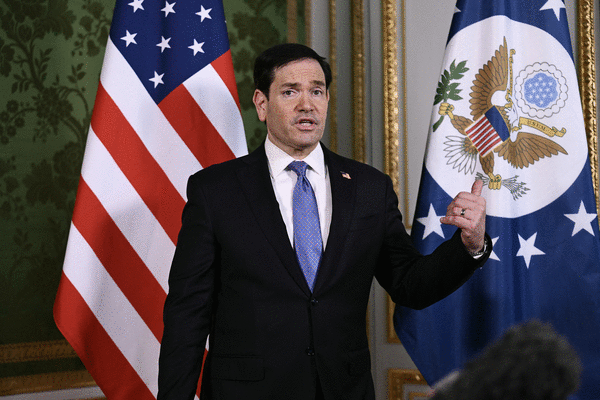
The joint declaration was adopted at a meeting in Paris earlier this week, marking a rare alignment among seven of the world’s largest industrialized democracies, especially between the United States, Canada and the European Union, which had historically diverged on their policies toward Cuba. Secretary of State Marco Rubio, a Cuban American from Florida who had made regime change in Cuba a foreign policy priority for the United States, attended the meeting.
The declaration also urges Cuban authorities “to take concrete steps… towards press freedom, and freedom of expression and association,” and to release “all individuals who have been arbitrarily detained.” The statement was endorsed by the foreign ministers of the United States, Canada, the United Kingdom, France, Germany, Italy and Japan, along with the European Union’s High Representative.
The ministers also expressed concern over “the deep economic crisis and humanitarian needs faced by the Cuban people, including shortages of food, fuel, and medicines,” and encouraged “constructive and inclusive dialogue in order to find a way out of the crisis.”
The last known G7 reference to Cuba came at the Houston summit in July 1990. In a “Political Declaration: Securing Democracy” that celebrated the end of the Cold War, leaders wrote in a single line: “We hope that Cuba will take steps to join the democratic trend in the rest of Latin America.” This week’s text goes much further, with a dedicated section on Cuba and specific demands on governance, freedoms and political prisoners.
Cuba had been on the G7’s agenda earlier this year. Foreign ministers discussed it in March, but they issued no common position, and the leaders’ statement on geopolitical issues at the Évian summit in France in June did not mention the island.
Cuba’s Foreign Minister Bruno Rodríguez Parrilla rejected the statement on Thursday, saying it ignores the U.S. embargo against Cuba.
©2026 Miami Herald. Visit at miamiherald.com. Distributed by Tribune Content Agency, LLC.





Comments