Mayor Zohran Mamdani announces plan to dissolve SRG, the controversial NYPD protest response unit
Published in News & Features
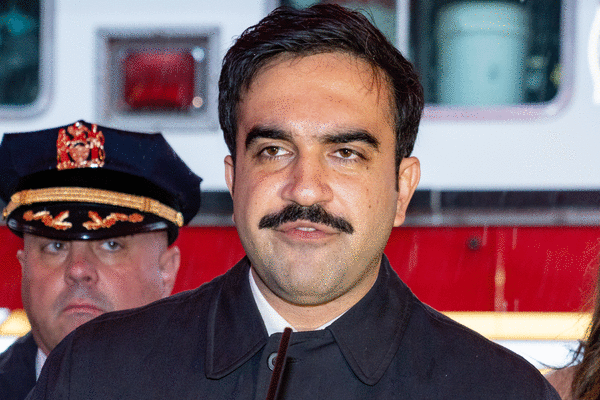
NEW YORK — Mayor Zohran Mamdani announced on Monday a plan to dissolve the NYPD’s Strategic Response Group, a controversial arm of the police department that’s drawn criticism from public safety advocates.
In doing so, Mamdani is making good on a key campaign promise and launching his first set of major policing reforms as mayor.
The plan will revamp the city’s protest response so that SRG will no longer respond and bans officers from using aggressive crowd management tactics like kettling, tear gas and long guns. The mayor also announced his support for the CURB Act, a bill from Councilmember Chi Ossé to codify these changes into law.
“Today is about a lot more than disbanding the SRG,” Mamdani said in a video with Ossé announcing the changes. “We are building a new approach to public safety, one where all communities can trust that their safety and fundamental freedoms will be protected.”
The mayor’s plan will dissolve and replace the SRG in three stages. City Hall will establish an unarmed civilian unit called the Community Dialogue and De-escalation Division, or CDDD. This unit, which won’t be up and running for at least another year, will be housed within the Office of Community Safety, which Mamdani established in March.
In the meantime, the administration will create a 30-member team called the First Amendment Support Team. This team, which will start in February, will also prioritize nonviolent protest responses and will consist of NYPD officers trained in communication and de-escalation. The plan is similar to a model used in Columbus, Ohio, where top mayoral and NYPD officials traveled earlier this year.
And the NYPD will also establish a new Patrol Support Division, or PSD, a unit housed in the Patrol Services Bureau. This unit will take over much of the SRG’s current protest-related responsibilities, like conducting mass arrests, and they will accompany FAST officers to protests and be positioned nearby.
“New Yorkers can expect, in crowd control-type situations, to see the very same response that they are accustomed to,” NYPD Commissioner Jessica Tisch said in a joint interview with the mayor on ABC7 Monday morning, regarding the department’s response to civil disorder like the chaos following the Knicks’ championship win.
The SRG’s current counterterrorism functions, like heavy weapons deployments, will be consolidated within the Intelligence and Counterterrorism Bureau.
The Legal Aid Society celebrated Mamdani for disbanding the SRG, “one of the NYPD’s most notorious units,” and for endorsing Ossé’s bill — but warned that the new plan still leaves room for an SRG-type unit to emerge.
“Both measures represent important progress toward protecting New Yorkers’ First Amendment rights,” the organization said in a statement. “The restructuring, however, will require vigilant oversight to ensure that the SRG’s tactics are not repeated. We urge the Mayor to closely monitor the NYPD’s use of force, surveillance, and arrests, both at demonstrations and in the low-income communities we serve.”
New York Civil Liberties Union Executive Director Donna Lieberman praised Mamdani for supporting the CURB Act and urged City Council Speaker Julie Menin to hold a hearing for the bill. Menin, for her part, has been resistant to the bill and said Monday through a spokesperson that the mayor can implement changes to the NYPD “without legislative action.”
“This bill would write protest policing reforms and oversight into law so that a future administration could not easily reverse course due to shifting political winds,” Lieberman said, also warning the creation of the new patrol unit would need oversight.
Advocates also celebrated the mayor’s move to formally ban kettling, the use of tear gas and long guns, and place more restrictions on the use of pepper spray and the deployment of sound cannons.
“While the police will still have a role in dealing with protests that involve significant threats to public safety, they will have to do that without relying on highly intolerant, abusive, and militaristic strategies,” Alex Vitale, coordinator of the Policing and Social Justice Project at Brooklyn College, said. “There will always be pressure on the NYPD to be less tolerant and more aggressive in their response because protests can cause disruptions to everyday life.”
And the plan got pushback from Police Benevolent Association President Patrick Hendry, who slammed the mayor for looking “to appease his radical base.”
“The next time your life is disrupted by demonstrators who are blocking bridges and roadways or causing chaos on our streets, remember: Mayor Mamdani is on their side, not yours,” Hendry said.
_____
©2026 New York Daily News. Visit nydailynews.com. Distributed by Tribune Content Agency, LLC.


Comments