Four superbugs are 'urgent' threats, CDC says. Here's how patients can help slow them
Published in Health & Fitness
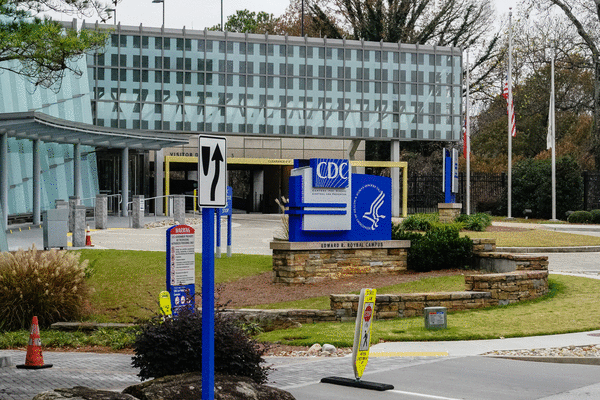
The Center for Disease Control released its yearly Antimicrobial Threats Report in October, detailing illnesses that are becoming resistant to treatment. It listed four drug-resistant illnesses as urgent public health threats.
Candida auris, Carbapenem-resistant Acinetobacter and Carbapenem-resistant Enterobacterales are urgent public health threats. Drug-resistant Neisseria gonorrhoeae is also considered an urgent threat by the CDC.
Illnesses listed in the Antimicrobial Threats Report are evolving to be harder to treat with antimicrobial medicines, including antibiotics.
Some other illnesses are considered serious, concerning or placed on a watchlist due to antimicrobial resistance.
Serious threats include drug-resistant Shigella, a diarrheal infection that can be spread through sexual contact or by food and water. North Carolina has seen two cases of sexually transmitted Shigella in 2026.
The CDC also labeled drug-resistant Neisseria meningitidis a serious threat for the first time in 2026.
Antimicrobial resistance
Candida auris, a fungal infection, has faced a national uptick in 2026. It is primarily spread at health-care facilities. Healthy people can often fight the infection off, but it kills in hospitals and nursing homes.
North Carolina, the state where the Charlotte Observer is based, has reported 71 cases in 2026 as part of a national uptick, though the CDC reports no active cases in the state as of Oct. 24.
Carbapenem-resistant Enterobacterales include E. coli and pneumonia strains that are resistant to one or several antibiotics called carbapenems. E. coli is often found in contaminated food, and multiple food recalls in North Carolina have been linked to the illness in 2026.
Carbapenem-resistant Acinetobacter causes infections of the blood, urinary tract, lungs (pneumonia) or wounds, and is likewise resistant to carbapenems.
Carbapenem-resistant Acinetobacter and Carbapenem-resistant Enterobacterales are considered together on the North Carolina Department of Health and Human Services Quarterly Disease Dashboard as Carbapenemase-producing organisms. Carbapenemase is the enzyme that destroys carbapenem. There have been 225 cases in 2026, through June. NCDHHS notes that while both can produce carbapenemase, some of each do not, and may not be included on the dashboard.
Prevention of antimicrobial resistance
“Drug-resistant infections are a growing problem in NC. The NCDHHS Healthcare-Associated Infection Team works with health care providers, patients and communities to make sure antibiotics and other medicines are used safely and effectively,” NCDHHS said over email.
Patients can help prevent antibiotic resistance by doing the following, according to NCDHHS:
• Use antibiotics only when needed. Antibiotics treat bacteria, such as strep throat and urinary tract infections. Antibiotics do not work to treat common viral infections and symptoms, such as a cold, runny nose, flu, COVID-19, bronchitis and most coughs and sore throats.
• Take antibiotics exactly as prescribed. Complete the entire course of the antibiotic your provider prescribes, even if symptoms disappear.
• Do not take someone else’s antibiotics.
• Ask a health care provider about side effects of antibiotics. The benefits of taking prescribed antibiotics correctly usually outweigh the risks of side effects and antibiotic resistance.
• Consult a doctor if you think you have a penicillin allergy. Some people report being allergic to penicillin, but common reactions to penicillin are often mistaken for an allergy.
• Dispose of antibiotics correctly. Safely dispose of unused antibiotics in a drug drop box.
©2026 Miami Herald. Visit at miamiherald.com. Distributed by Tribune Content Agency, LLC.









Comments