Ask the Pediatrician: Caring for your family in stressful times
Published in Health & Fitness
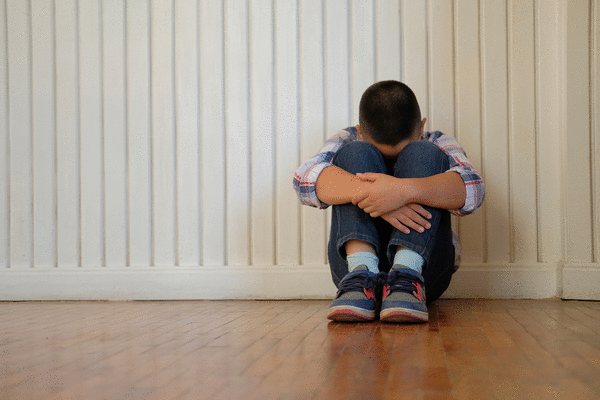
"Kids are resilient."
People say this often, especially when hard things have happened, such as divorce, community violence or the death of a loved one. Events like these can cause significant stress for some children. When children don't have the right amount of support, the impact of these events may be especially harmful to a child's overall development.
The good news is that safe, stable, supportive relationships with parents, caregivers and other trusted adults can help protect children from the harmful effects of significant and persistent stress and trauma. Understanding how stress affects children is an important first step toward helping them heal and thrive. As we learn more about how children's brains develop, we understand that persistent stressful experiences in the absence of supportive relationships may impact a child's physical, mental, and emotional development and health – even into adulthood.
There are different factors that play a role in how children will respond to stress. The human body is designed to handle some stress, and not all stress is harmful. Some stressful experiences, like the first day of kindergarten or working on a big school project, can actually be positive and help kids develop strength and resilience. Resilience means being able to adapt and manage stress in a way that helps you get better at handling future stressful situations.
When children experience a significant, traumatic situation once or are exposed to persistent, traumatic environments like an abusive household, the body's natural way of dealing with stress can become harmful. We call this a toxic stress response that may lead to learning, mental and behavioral challenges, as well as physical illness.
Loving and supportive adults, especially parents or caregivers, can help protect children from toxic stress response through reassurance and healing over time. Safe, stable, nurturing relationships can counteract the effects of toxic stress.
Parents and other loving adults are very important in helping children develop and practice resiliency. Parents need to be able to take care of themselves before they are able to help their children.
What happened to parents when they were children can affect their health now as adults as well as how they raise their own children. Studies show that diabetes, hypertension and substance use disorder may be higher in adults who experienced adverse childhood experiences (ACE) such as abuse, neglect, or growing up in a household with untreated mental health and substance use issues.
Sometimes parents who have experienced ACEs without healthy coping skills may have trouble in stressful situations. They might lose their temper more quickly, have more health problems, or they may struggle with mental health needs. Many people, including parents, may use unhealthy ways to cope with stress, including yelling at partners or children, smoking, drinking alcohol or using drugs.
Fortunately, healthy coping skills can be learned at any age. Access to mental health and physical healthcare, nutrition, housing, livable wages, physical exercise, skills to help improve self-regulation and meaningful, supportive social connections can help parents protect their children from also experiencing ACEs.
There are many ways of caring for yourself so you can care for your child. The first step is to identify your circle of support. Parenting is hard, especially when families have experienced difficult times. No one should try to do it alone. Seek support from counselors, physicians, trusted family and friends, faith communities, or others who can help you see what you are doing well and to connect you with more support when needed.
Beyond caring for yourself mentally, it’s equally important to take care of yourself physically, to the best of your ability. Eat a balanced diet, get enough sleep, move your body, take care of your medical needs, and find pockets of time during the day or week to relax. This can also include making time for the things you love to do.
Stress is unfortunately inevitable, so it's important to identify ways to help yourself calm down or handle stress when it does happen. You may take a walk, practice deep breathing, talk to friends, meditate or find time for your faith practice.
Some self-reflection can go a long way in healing as well. Take time to think about what happened in your own childhood and how it could be affecting you now. If this is difficult or painful, consider getting support from a counselor or ask someone you trust for help.
Once parents have found healthier ways to cope with stressful times, they can provide support to their children. This support manifests in a variety of ways. One of the simplest is being a positive influence in your children's lives. They look up to you and will try to do what you do. Your children need to know that you love them and believe in them. Ordinary things like playing together and spending time together can help with this, as well as noticing the good things you see them doing and praising them.
If something traumatic happens to your children or family, share that information with your pediatrician. Medical professionals can partner with you and your children to get the support you need. The earlier you get support for your children, the easier it will be for them to heal quickly and continue living healthy and less stressful lives.
____
Adwoa Osei, MD, FAAP, serves on the Expert Leadership Team for the American Academy of Pediatrics Building Capacity for Pediatric Trauma Informed Care project as well as the Pediatric Mental Health Care Access grant advisory committee.
©2026 Tribune Content Agency, LLC.









Comments