Why Hispanic Americans are losing faith in the American Dream
Published in Political News
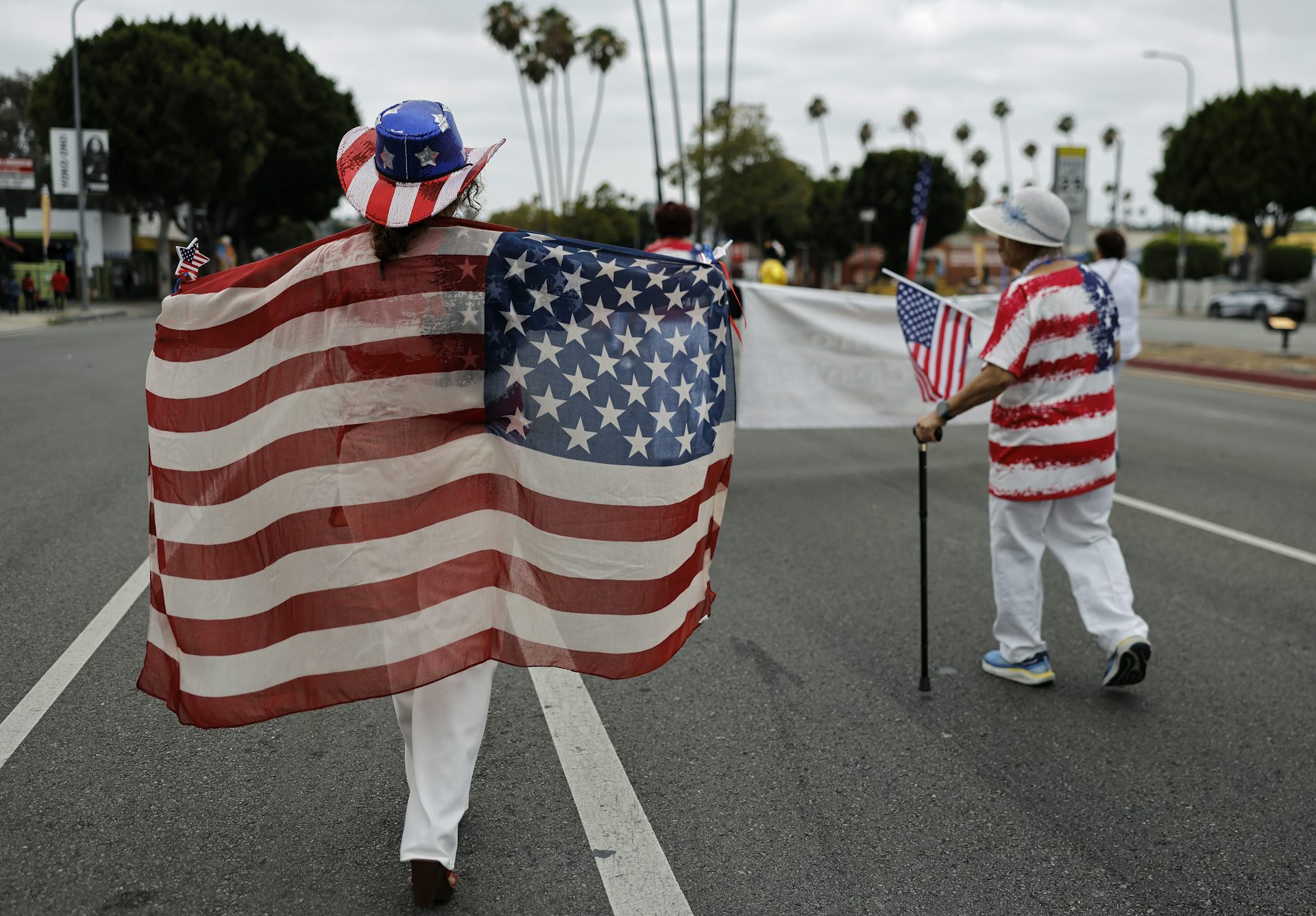
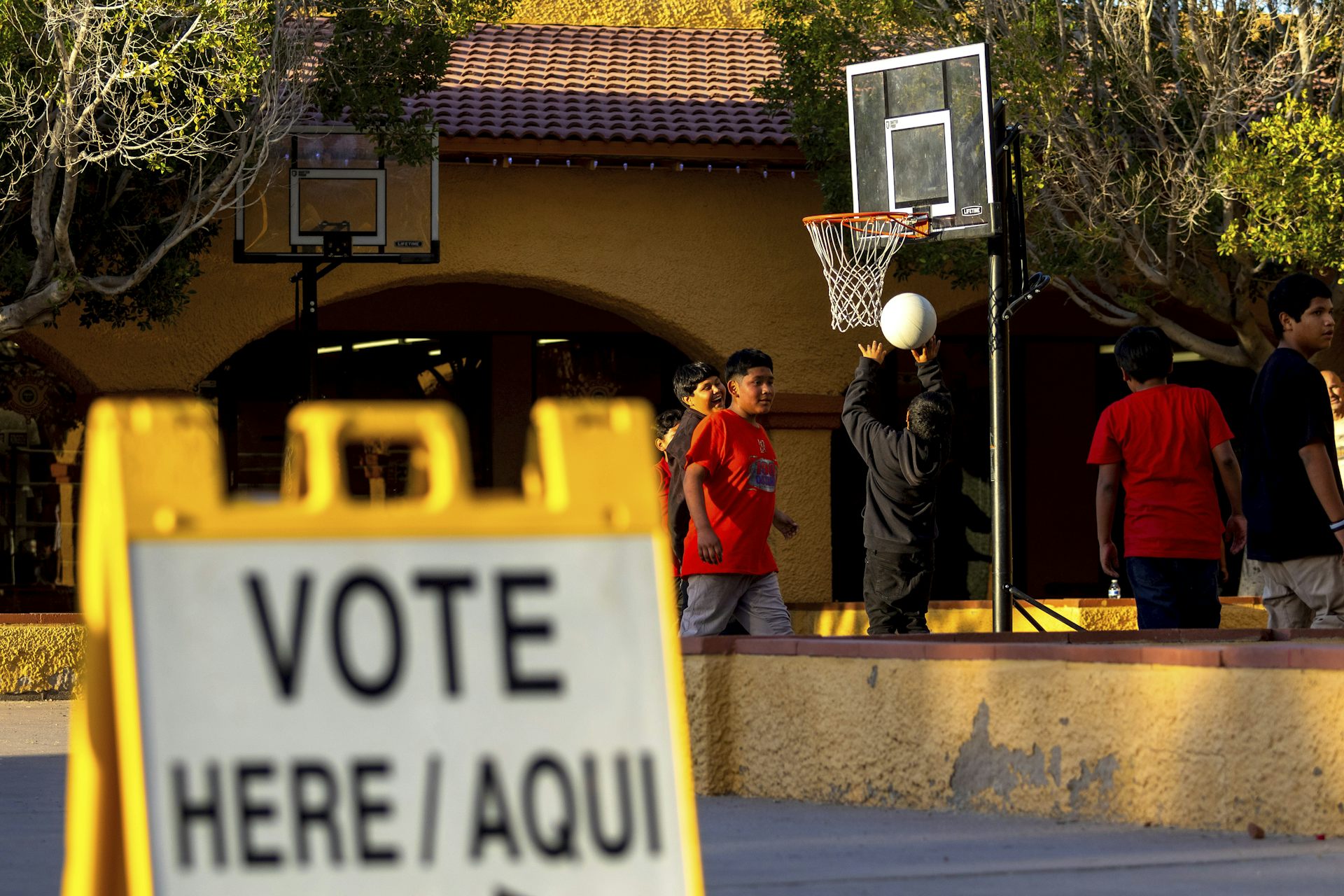
President Donald Trump won 43% of the Hispanic vote in 2024, up from 35% in 2020 – a big gain for Republicans. Now, as the midterms approach, Hispanic Americans across party lines are losing faith in the American Dream, and his administration’s immigration crackdown appears to be part of the reason.
Arrests by Immigration and Customs Enforcement of people with no criminal record are surging. Federal immigration agents have shot at nearly two dozen people – most of them Latino – since last year, according to The New York Times. Those include the fatal shootings of Lorenzo Salgado Araujo in Texas and Johan Sebastián Durán Guerrero in Maine.
This climate of aggressive immigration enforcement may be affecting Hispanic Americans’ sense of belonging and their belief that they can pursue a better life in the United States. The Public Religion Research Institute 2026 survey on American identity asked more than 5,000 adults about their thoughts on the American Dream: the idea that if you work hard, you’ll get ahead. Just 40% of Hispanic Americans say that dream holds true today, down from 52% just two years ago.
I’m the director of research at PRRI, and I study public opinion and immigration. I recently analyzed nearly 700 survey responses from Hispanic Americans to understand which factors are associated with the belief that the American Dream no longer holds true. I found that national pride, concerns about democratic rights and freedoms, attachment to living in the U.S., and Trump’s handling of immigration are significantly associated with this belief.
Surprisingly, however, party affiliation is not.
Hispanic Americans – Republican, Democrat and independent – are experiencing a growing sense of isolation, feeling less safe, less welcome and more like strangers in their own country.
The share of Hispanic Americans who identify as Republican has more than doubled, from 10% in 2013 to 21% in 2025. Over the past year, however, Hispanic Americans’ favorable views of Trump’s handling of immigration have dropped – from 31% in 2025 to 19% in 2026.
Whether Republicans keep their recent gains among Hispanic voters in the November 2026 midterms may depend on whether those voters feel the administration has made their families less safe and their finances less secure. Most Hispanic Americans – 68% – believe the surge of ICE officers is making communities less safe.
Pride has also slipped. Just 42% of Hispanic Americans say they are extremely or very proud to be American, compared with 51% of Americans overall. To be sure, national pride has fallen sharply across the country, from 82% in 2013 to 51% today. But among Hispanic Americans, the drop has been even steeper: from 77% to 42%. A majority of Hispanic Americans – 56% – now say they feel like strangers in their own country.
Concerns about the state of democracy may also be contributing to Hispanic Americans’ shifting views. When eligible voters fear they could be disenfranchised based on unfounded claims about noncitizen voting, it weakens their sense of belonging and their confidence in democratic institutions.
Research shows that Latino citizens already face disproportionately negative effects from strict ID policies, which researchers suggest may be partly due to being less likely to have an ID and feeling intimidated by an increasingly hostile immigration environment that could put undocumented family members at risk. The proposed SAVE America Act, which would require additional documentation to vote, would make voting even more difficult for them.
To understand how Hispanic Americans view the American Dream, I analyzed PRRI’s survey, accounting for differences in race, age, gender, education, religion, employment, income, region, parenthood, survey language and party identification. Even with those controls, unfavorable views of Trump’s handling of immigration remained significant. Weaker levels of national pride, weaker attachment to the U.S. and concerns about democratic rights were significantly associated with the belief that the American Dream no longer holds true.
One additional factor was statistically significant: survey language.
Unexpectedly, Hispanics who completed the survey in Spanish were more likely to believe that the American Dream holds true than those who completed the survey in English. This could be because some Spanish-language respondents evaluate economic opportunities in the U.S. relative to those in their countries of origin.
One factor that was not statistically significant was party identification.
After accounting for other characteristics, Hispanic Democrats, Republicans and independents do not significantly differ in whether they believe the American Dream holds true. This suggests that declining faith goes beyond partisanship and reflects a more fundamental question about this group’s sense of belonging.
In America, 1 in 5 people identify as Hispanic. When a growing segment of American society begins to doubt that hard work leads to opportunity, that citizenship provides security, or that participation brings acceptance, the consequences go beyond which party they will support in November. The deeper question is whether people are beginning to lose faith in the country itself, including its democratic promises and its future.
This article is republished from The Conversation, a nonprofit, independent news organization bringing you facts and trustworthy analysis to help you make sense of our complex world. It was written by: Diana Orcés, American University
Read more:
The ever‑evolving Latino vote is rapidly shifting away from Trump and Republicans
What is the American Dream, and has it become harder to achieve in recent years?
Deportation fears create ripple effects for immigrants and their communities
Diana Orcés is the director of research at the Public Religion Research Institute (PRRI). She is also an adjunct professor at American University, where she teaches political analysis.








































Comments