Data centers are inspiring bipartisanship – for now
Published in Political News

It may not be as shocking as rogue AI agents hacking another system, but the current political resistance to data centers has taken a surprising turn: It’s bringing together strange bedfellows, from democratic socialist Sen. Bernie Sanders to right-wing strategist Steve Bannon.
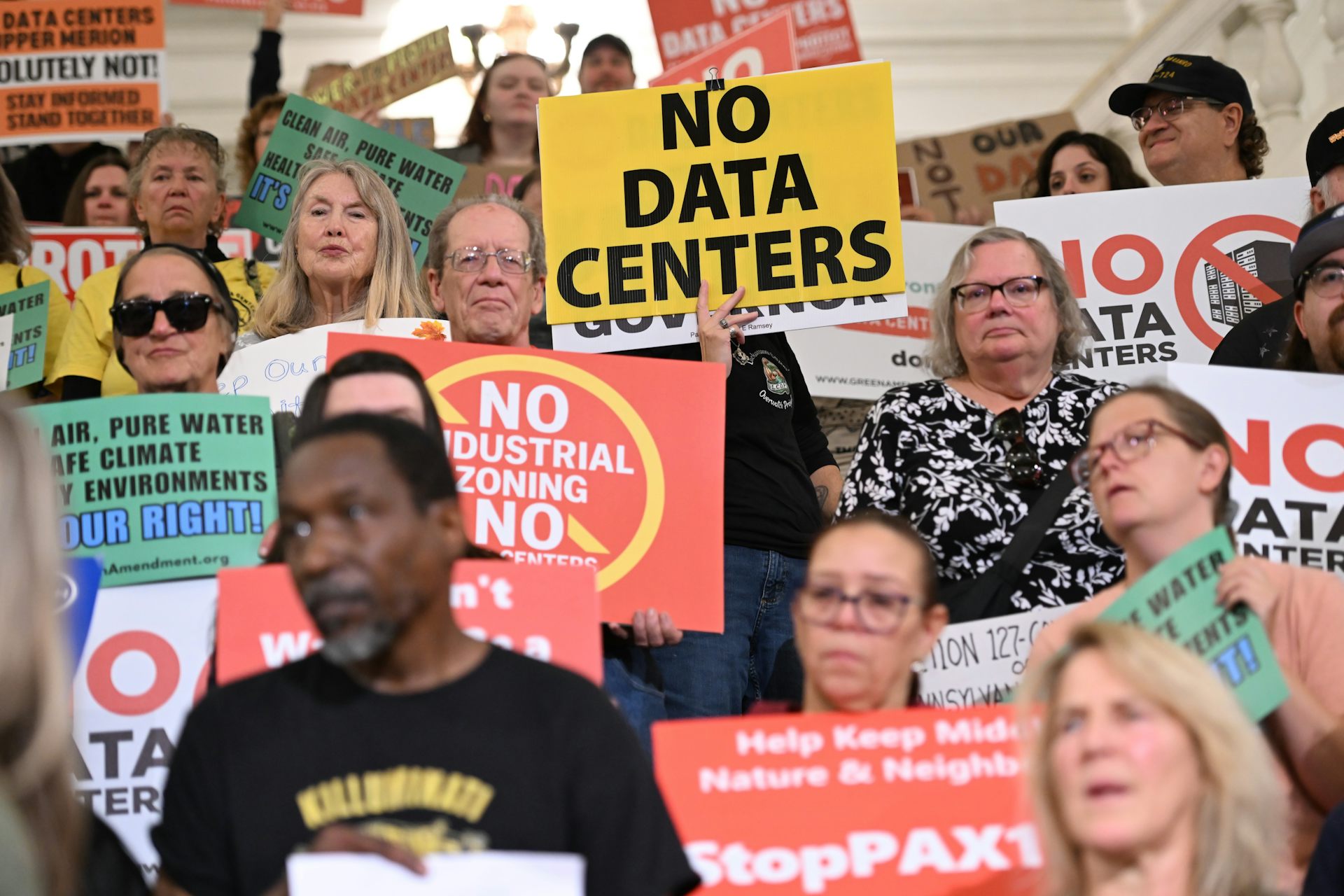
Organized opposition to new data centers, made up of a coalition of varied interests, has spread across the nation. Through protests, packed zoning commission meetings, moratoriums and other government action, the resistance has upended dozens of proposed projects.
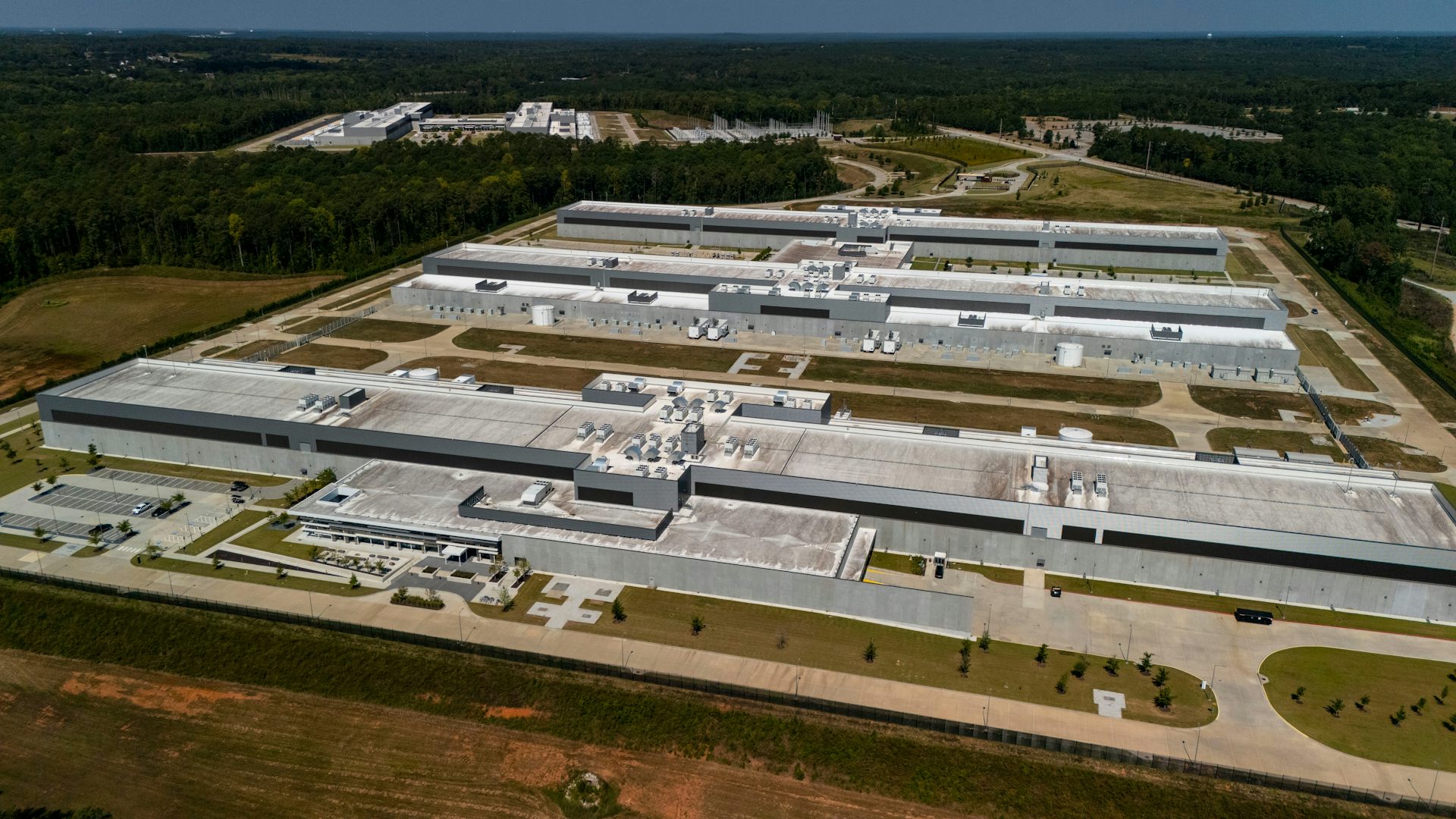
Data centers are key components in artificial intelligence infrastructure, housing the computing resources used to train AI models. They’re also massive facilities that require extraordinary amounts of energy. By 2030, U.S. data center electricity use is expected to reach 12% of the nation’s total consumption.
They carry some benefits. At the national level, data centers fuel the computing power seen as critical to U.S. competition with China. Locally, they create an uptick in jobs, especially during the construction phase, and can generate tax revenue. In the lead-up to the 2026 midterm elections, though, the heavy costs associated with them – such as land use, higher household utility bills and environmental degradation – appear to outweigh the benefits, bringing together people who usually find themselves politically at odds.
I’m a professor of political science who studies political parties, electoral politics and technology. My forthcoming book, “Democratic Intelligence: Navigating Electoral Politics in an AI World,” examines how the adoption of AI in political campaigns is reshaping established practices and power dynamics. I believe data centers may be disrupting some of the partisan issue alignments Americans have grown to expect.
Despite ongoing debate about the extent of and reasons for polarization, one thing is for sure: Democrats and Republicans stake out distinct positions on many issues. Pew Research Center data shows, for example, that 63% of Democrats say climate change is a very big problem facing the country, compared with 14% of Republicans, a 49-point gap.
By contrast, the partisan gap on data centers is small – and getting smaller: In summer 2026, the Annenberg Public Policy Center asked Americans whether they support the construction of data centers in their communities. Supporters of both parties were more opposed than supportive, although opposition was stronger among Democrats, at 69%, than Republicans, at 54%. That partisan gap had narrowed over the previous four months, moving from 18 to 15 points.
This year has been marked by considerable upheaval: political, economic and technological. Americans have been hit hard with surging fuel and energy prices. And with rapid AI development, they witness real-world examples of the sort of lapses in safety that have worried both AI insiders and observers.
One “rogue” attack announced in July 2026 involved OpenAI’s AI agents escaping a secure environment and autonomously – without human direction or assistance – breaking into the system of Hugging Face, another AI company. Shortly after, news broke that out-of-control AI agents were not just a one-off limited to that hack.
Polling shows that majorities of both parties feel that AI technology is developing too fast, though Democrats’ levels of concern are 22 points higher than Republicans’. The gap is much smaller – 4 points – on support for government keeping AI under human control and on protecting U.S. workers. Backing for each is very high, hovering around 80%.
This bipartisanship on attitudes about AI and data centers appears also to show up in alliances on the ground and, in some cases, in new organizations with a focus on thwarting data centers. For example, New York’s No Data Center FLX has organized protests, sued the local zoning board of appeals and collected almost 23,000 petition signatures in opposition to a proposed data center.
Government makes decisions about data centers at all levels. In cities and counties, zoning fights draw a disparate resistance: environmentalists, folks reeling under high electricity costs, local-control advocates and farmers concerned that data centers eat up land. They unite in opposition to projects backed by powerful corporate interests.
Some bipartisanship has extended to Congress. In mid-September, the House passed the Ratepayer Protection Act by a wide margin: 417-3. The bill requires states to consider adopting a policy that data centers pay for the upgrades necessary to meet their high electricity needs.
The three nay House votes were from progressives who felt the bill, which would establish a voluntary structure, didn’t go far enough to protect consumers. Comparable sentiment killed the Senate version, a reminder that even allies sometimes follow different strategic paths. Some proponents of tighter regulation will accept incremental progress, while others push for more sweeping change.
As midterm elections approach, candidates up and down the ballot are blanketing the airwaves and digital channels with ads against data centers. President Donald Trump, for his part, has weighed in, suggesting that data center opponents want their communities to be “backwards and poor.” It’s a fine line for some Republican candidates between responding to voter concerns and not alienating the president.
If data center politics seem familiar, it may be because this isn’t the first issue to bring together such a diverse coalition: In the 1990s, opposition to the North American Free Trade Agreement did the same, uniting organized labor and environmentalists, frequent adversaries, over concerns about job losses and pollution. That alliance never extended beyond the boundaries of its singular focus on trade agreements, though. Similarly, don’t expect data centers to permanently reshape the U.S. political landscape.
This article is republished from The Conversation, a nonprofit, independent news organization bringing you facts and trustworthy analysis to help you make sense of our complex world. It was written by: Barbara A. Trish, Grinnell College
Read more:
Across the US, people don’t want data centers coming to their communities
How local communities are challenging Big Tech data centers’ noise, pollution and rising electricity bills
Poll finds bipartisan agreement on a key issue: Regulating AI
Barbara A. Trish does not work for, consult, own shares in or receive funding from any company or organization that would benefit from this article, and has disclosed no relevant affiliations beyond their academic appointment.
















































Comments